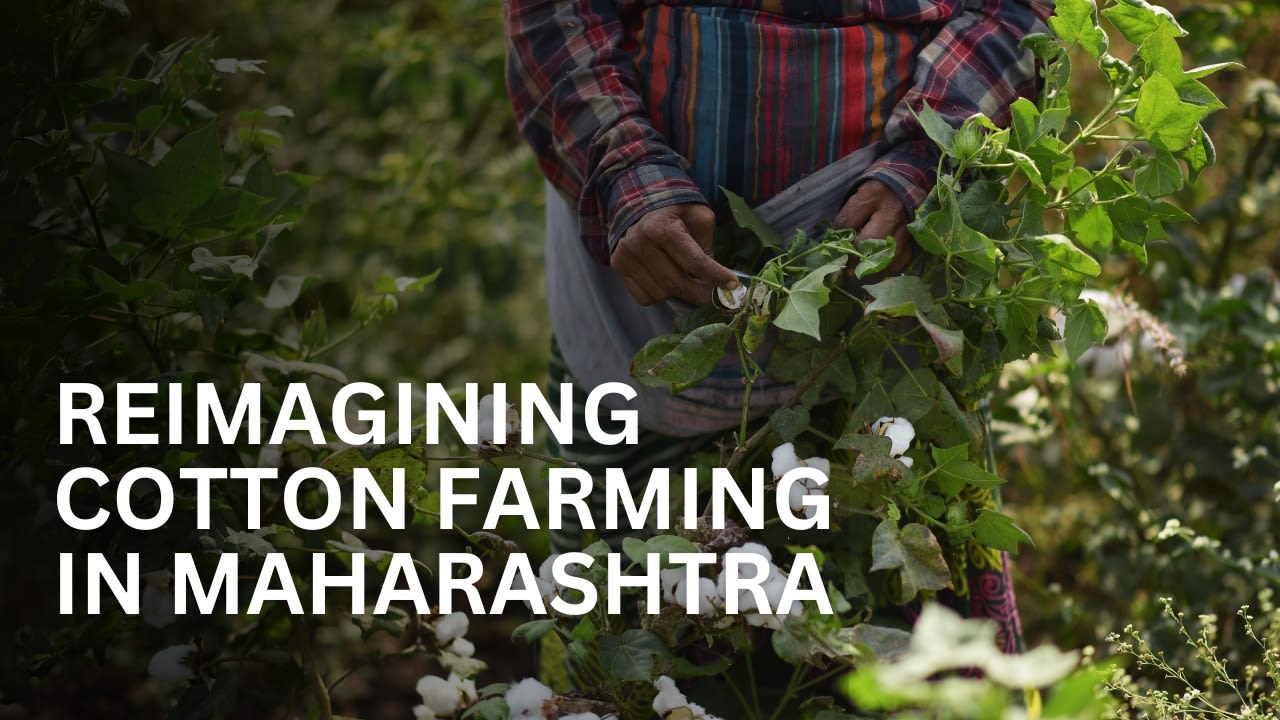

Have you ever stopped to think about the hidden costs behind the cotton in your clothes and everyday products? While cotton is an essential part of our lives, its production often comes at a steep environmental and social price. In Maharashtra, particularly in the cotton-growing districts of Dhule and Nandurbar, the livelihood of countless farmers is tied to this crop. Yet, these regions are now facing a growing array of challenges—climate change, shrinking water supplies,
and deteriorating soil health—that threaten the future of cotton farming.
To address these issues, Lupin Human Welfare & Research Foundation (LHWRF) has partnered with Better Cotton Initiative (BCI), in a bid to help farmers transition to more sustainable practices which would benefit not only the environment but also the local communities that depend on cotton for their livelihood.
How is this collective effort making a difference?

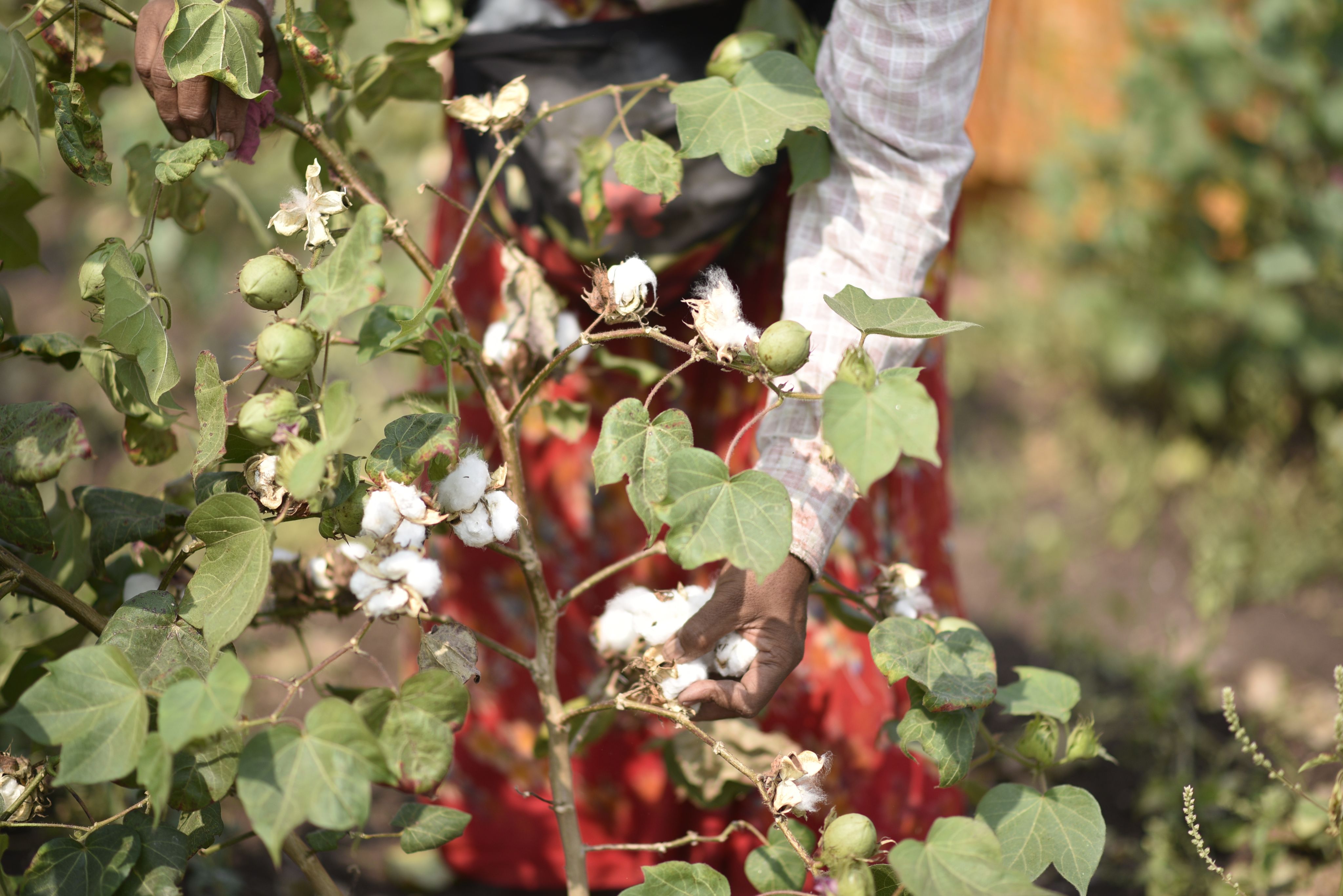

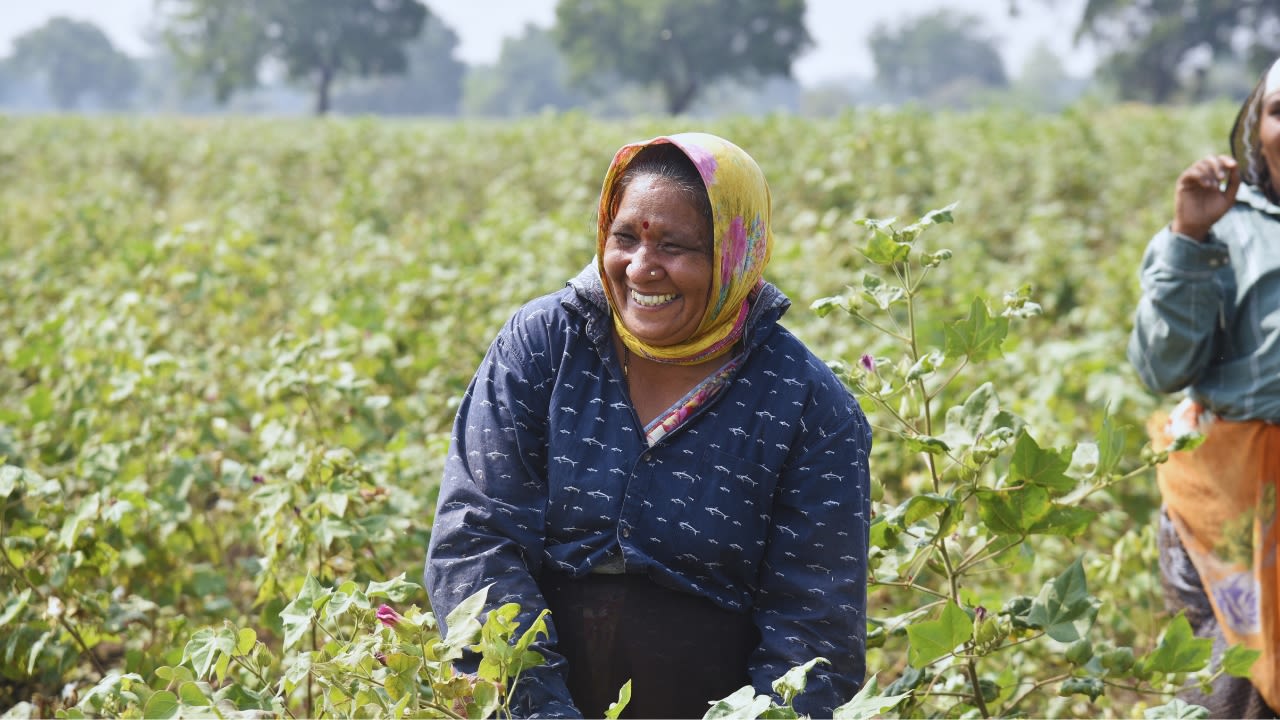


LHWRF focuses on improving cotton farming sustainability through the following key areas:



Water Efficiency:
A Critical Resource
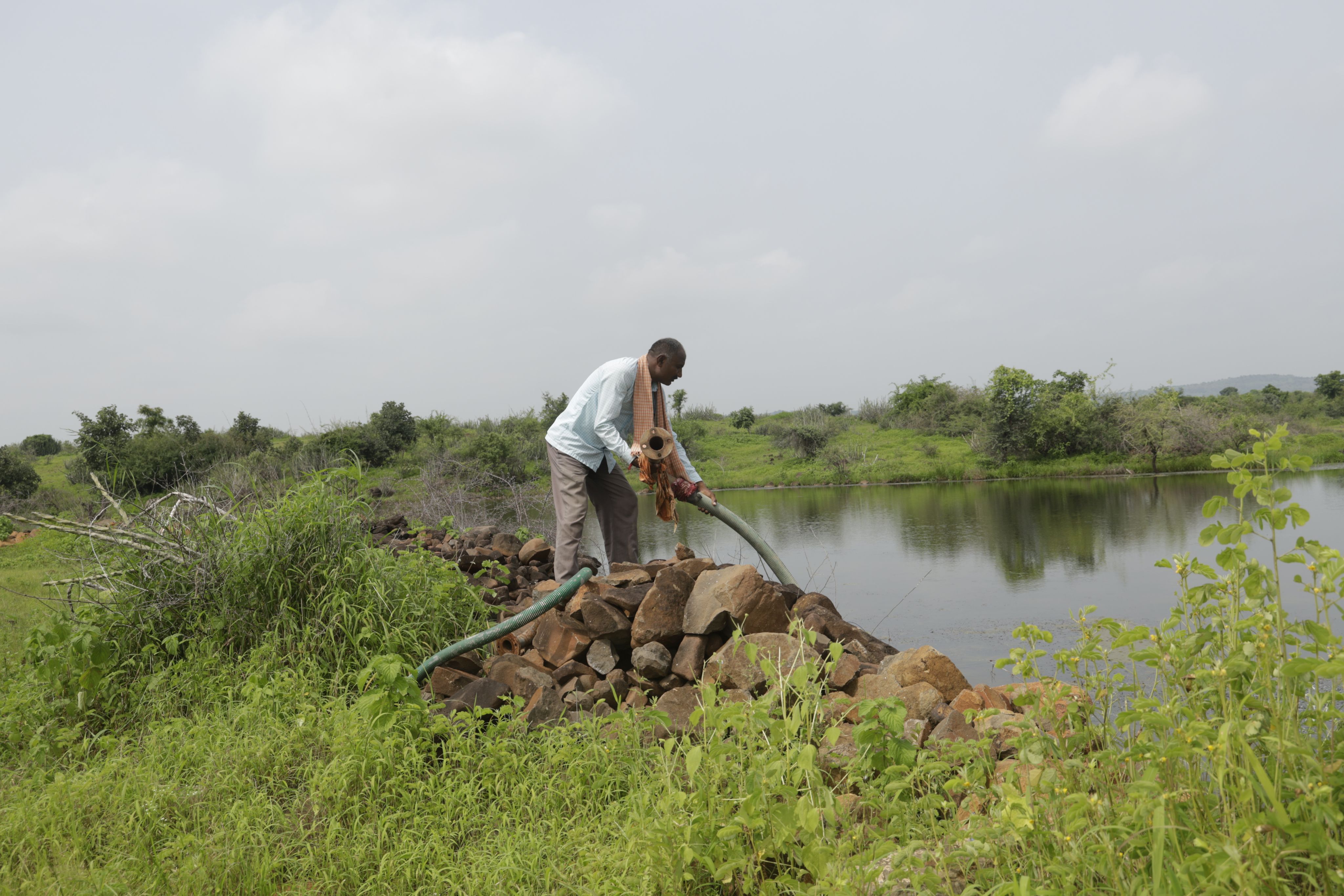
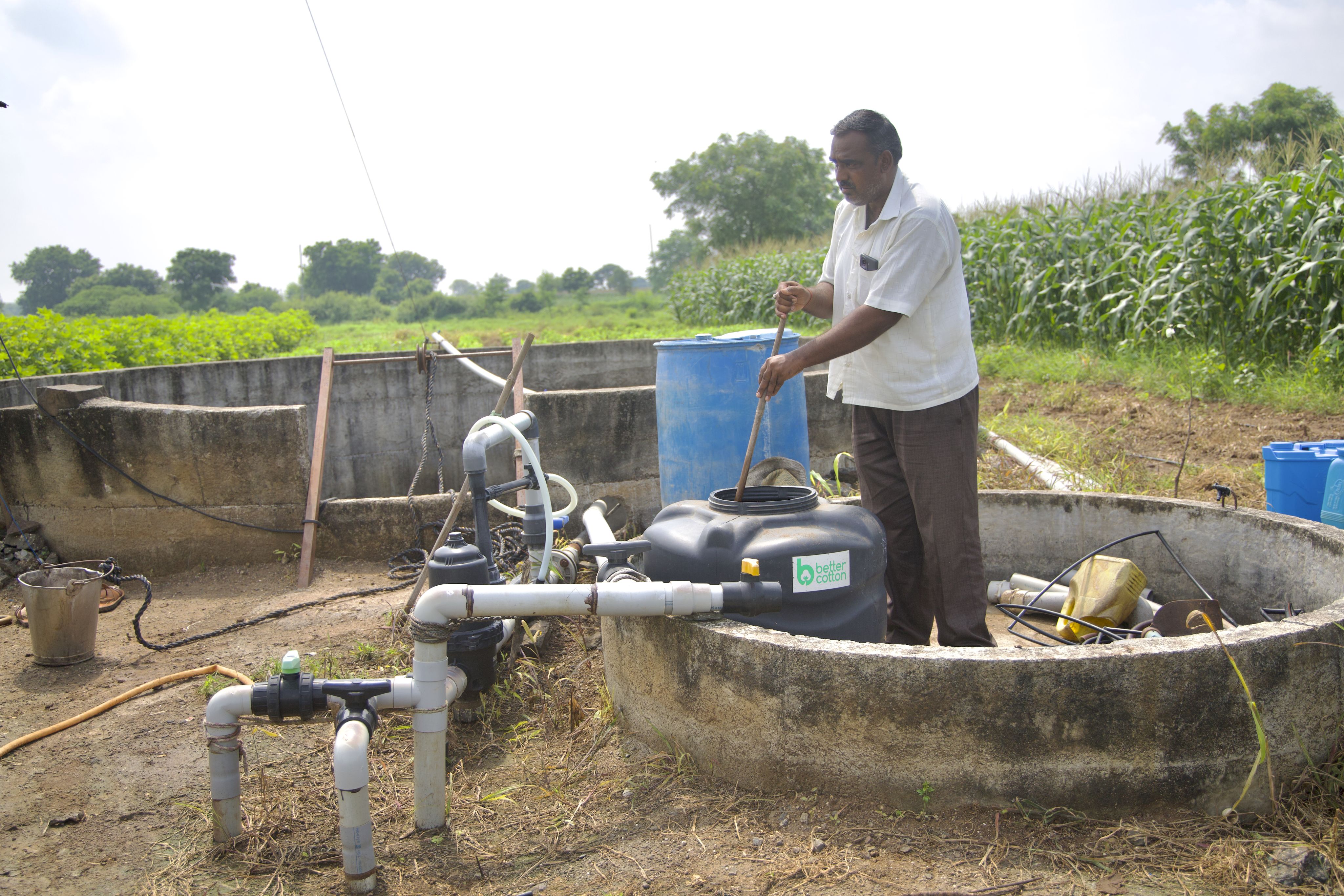
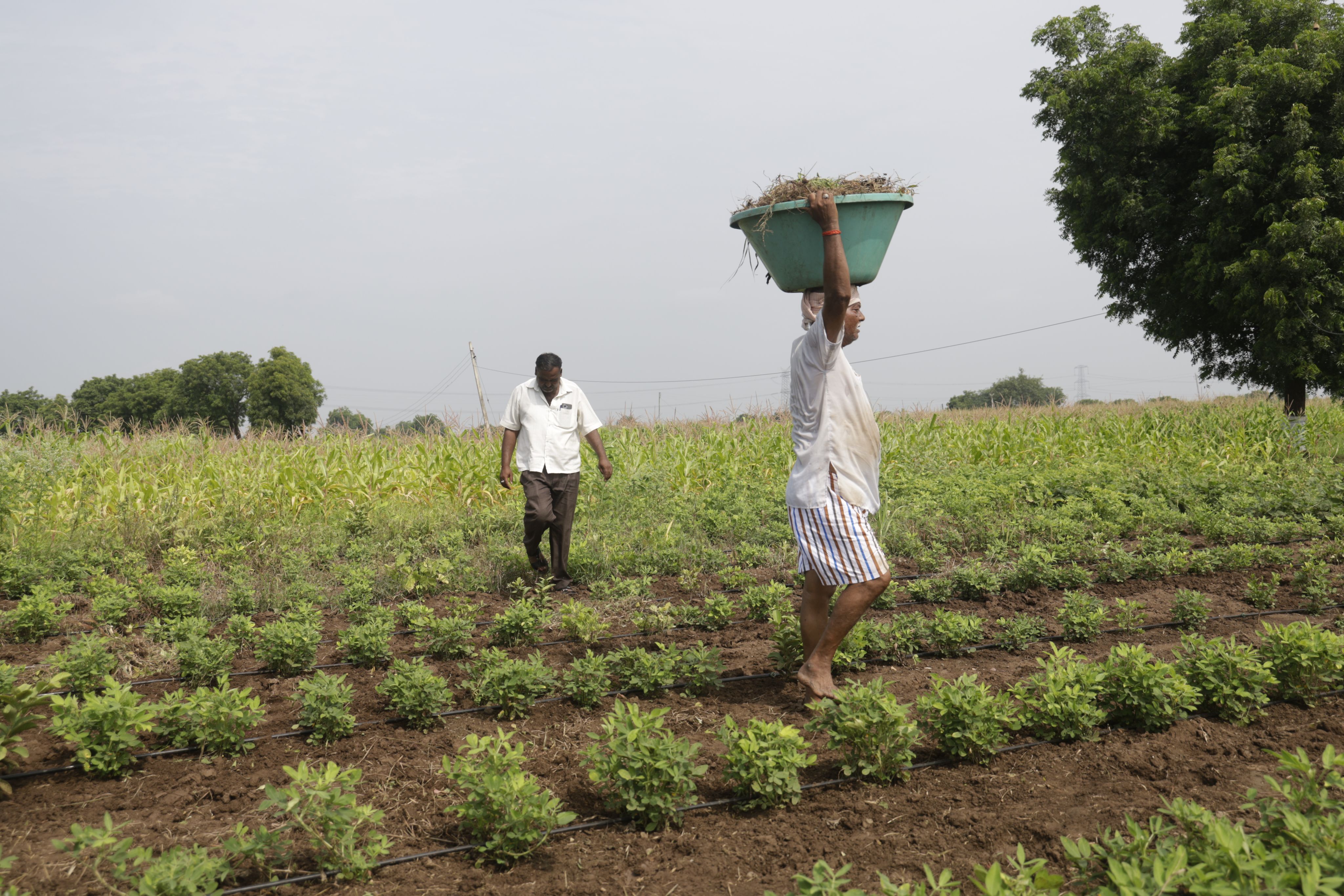
Water scarcity is a major challenge for cotton farmers. LHWRF team is trying to address this by promoting water stewardship and water-efficient irrigation techniques like drip irrigation and advocating the use of borewells in groups. These methods help farmers conserve water and build resilience to unpredictable rainfall, a growing concern with climate change.

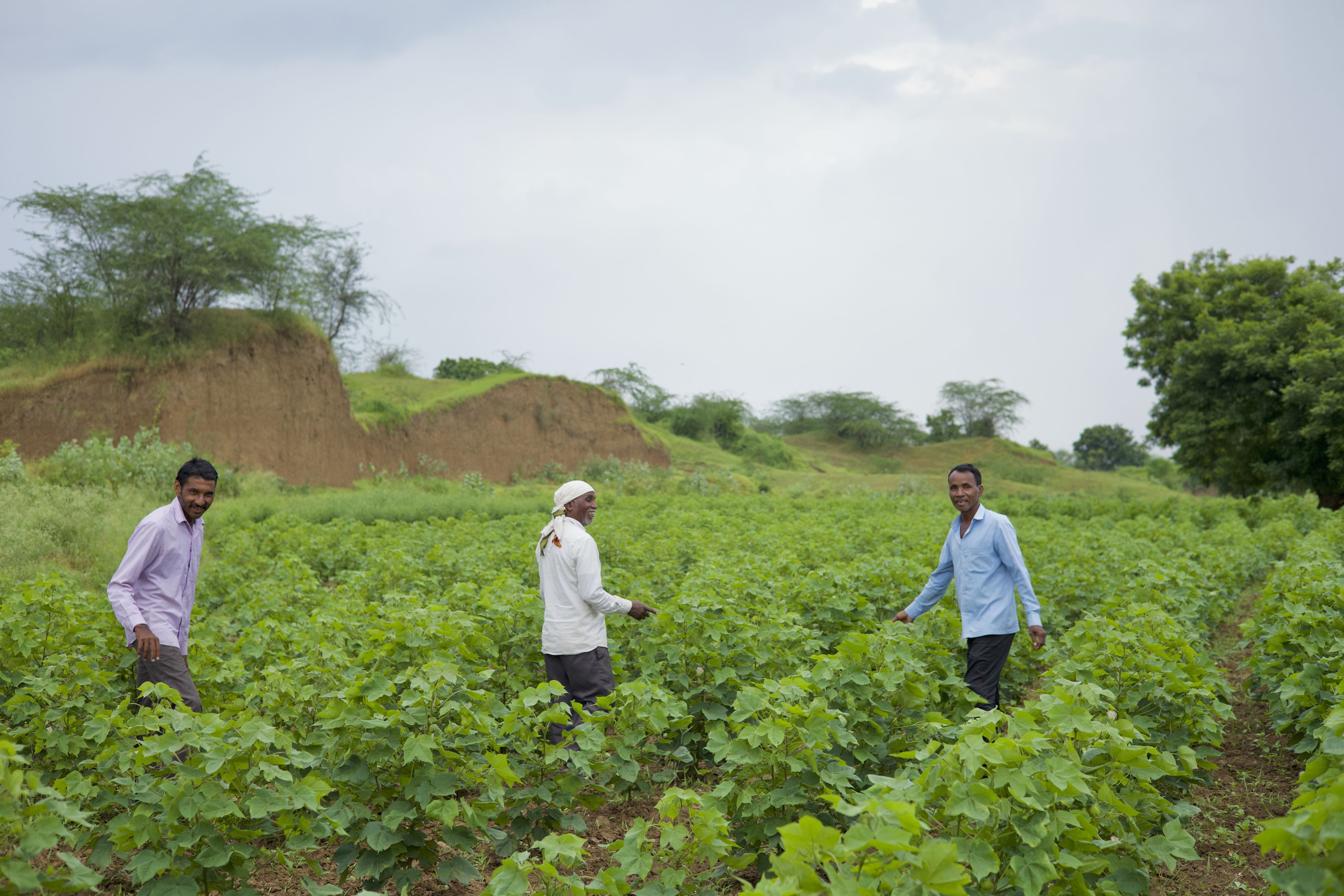
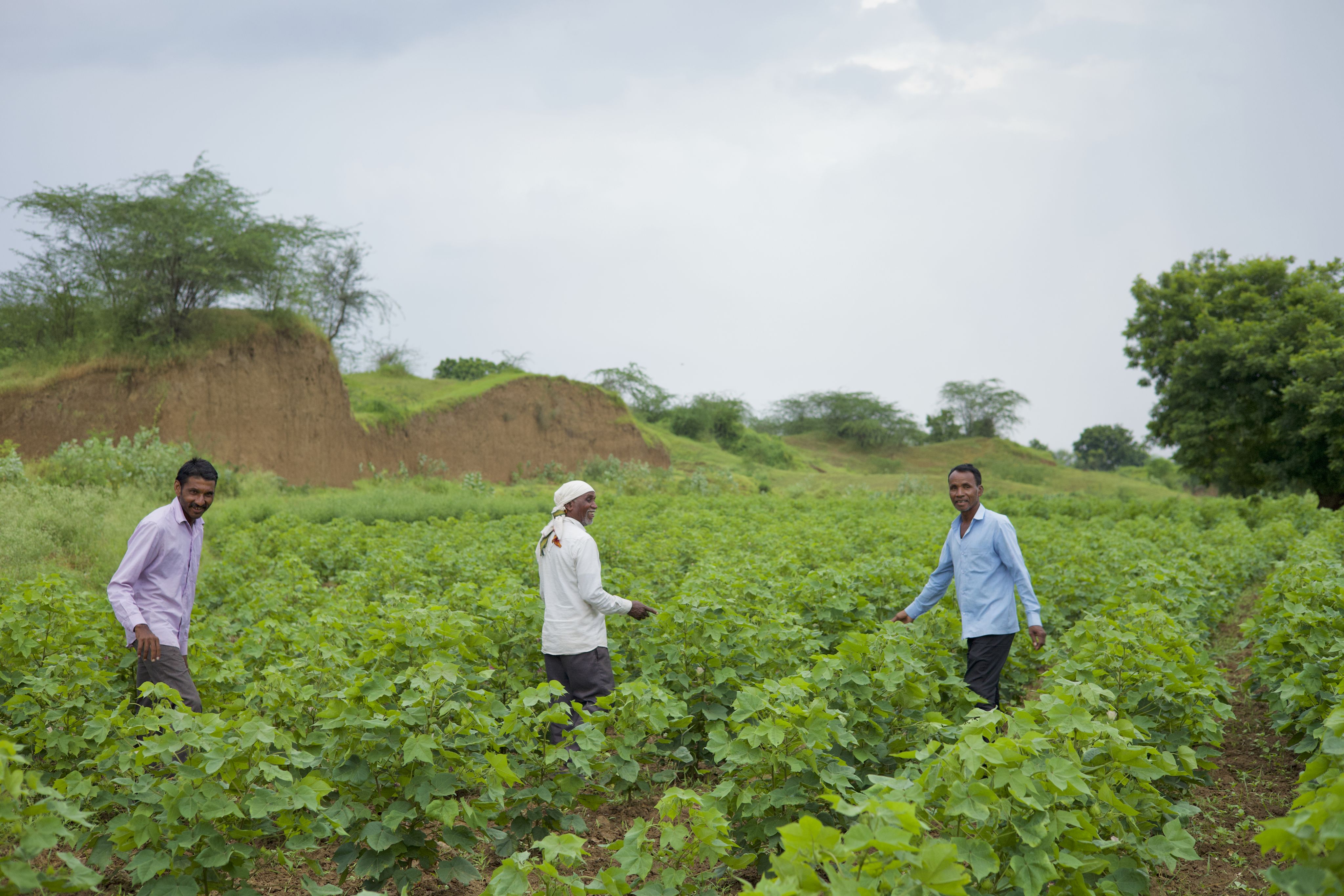
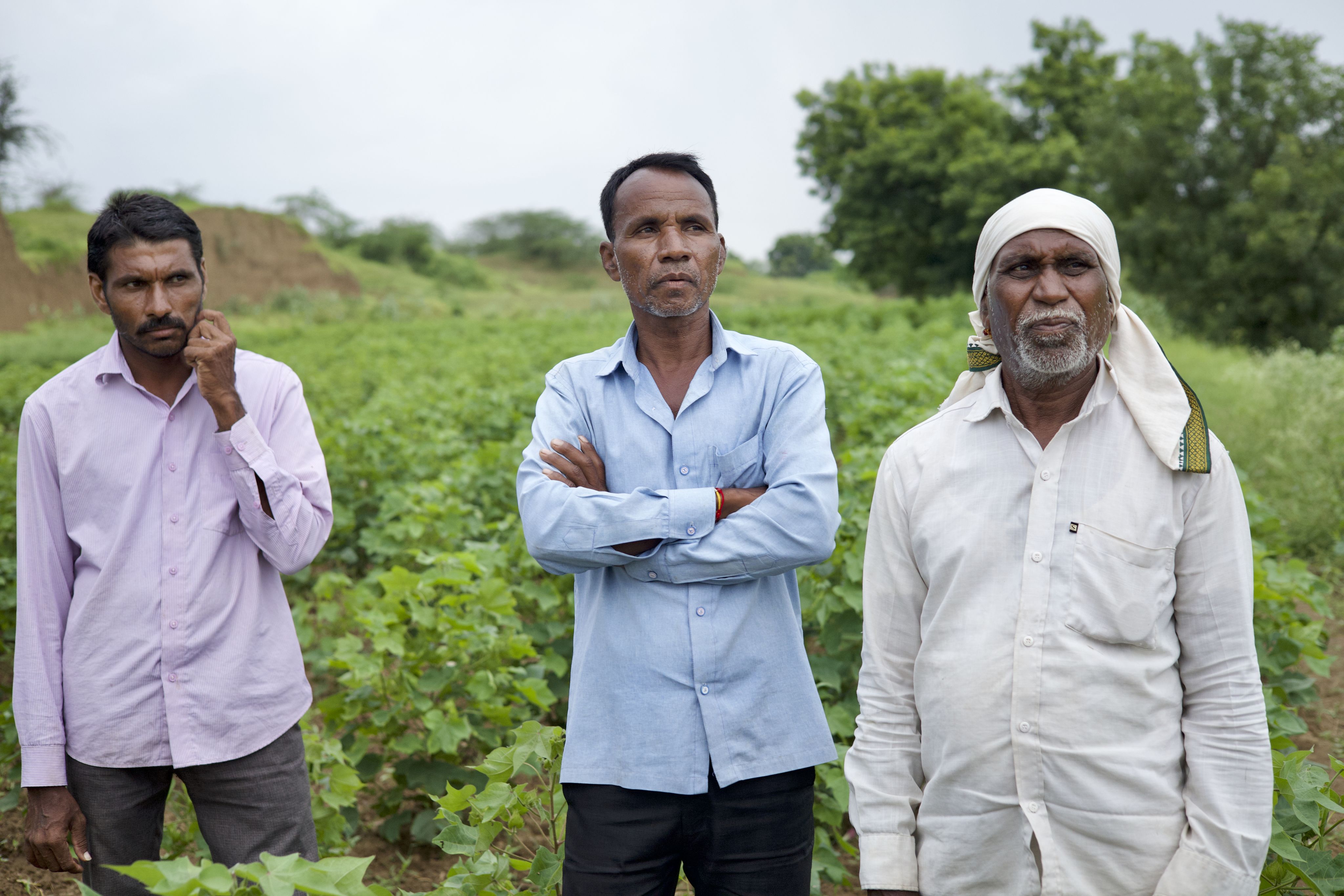
In the Adivasi village of Kurkhali in Dhule, three friends—Sitaram, Gambhir, and Yuvraj—struggled with farming due to a lack of water. Dependent on the monsoon rains for just four months of cotton cultivation, they worked as laborers for the rest of the year.
After collaborating with LHWRF to construct a borewell, they can now irrigate their land year-round. The result?
They no longer work as laborers but focus solely on farming.

Integrated Pest Management: Reducing Chemical Dependency
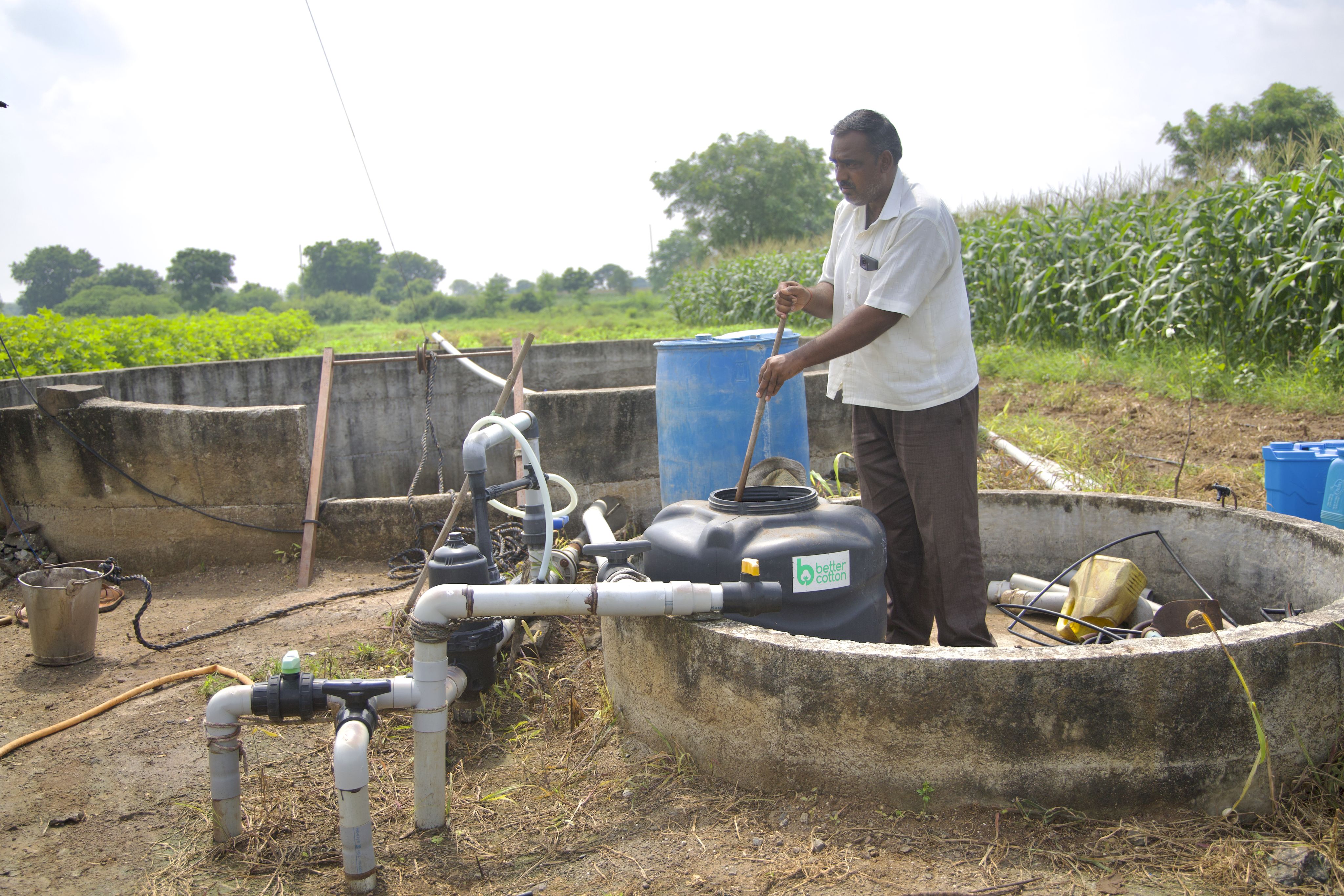
Traditional cotton farming often relies heavily on harmful chemical pesticides, but BCI promotes Integrated Pest Management (IPM), a more sustainable approach. IPM involves using natural pest control methods like introducing beneficial insects, practicing crop rotation, and planting pest-resistant cotton varieties. By reducing reliance on chemicals, farmers can preserve ecosystems, improve safety for workers, and reduce environmental pollution.
Sanjay Patil from Pimpelkhed, Dhule, adopted these practices after working with LHWRF’s farmer field officers. He shared, “By using these techniques, we have increased our farm yield by at least 30%.”

Reducing Chemical Use: Protecting Soil and the Environment
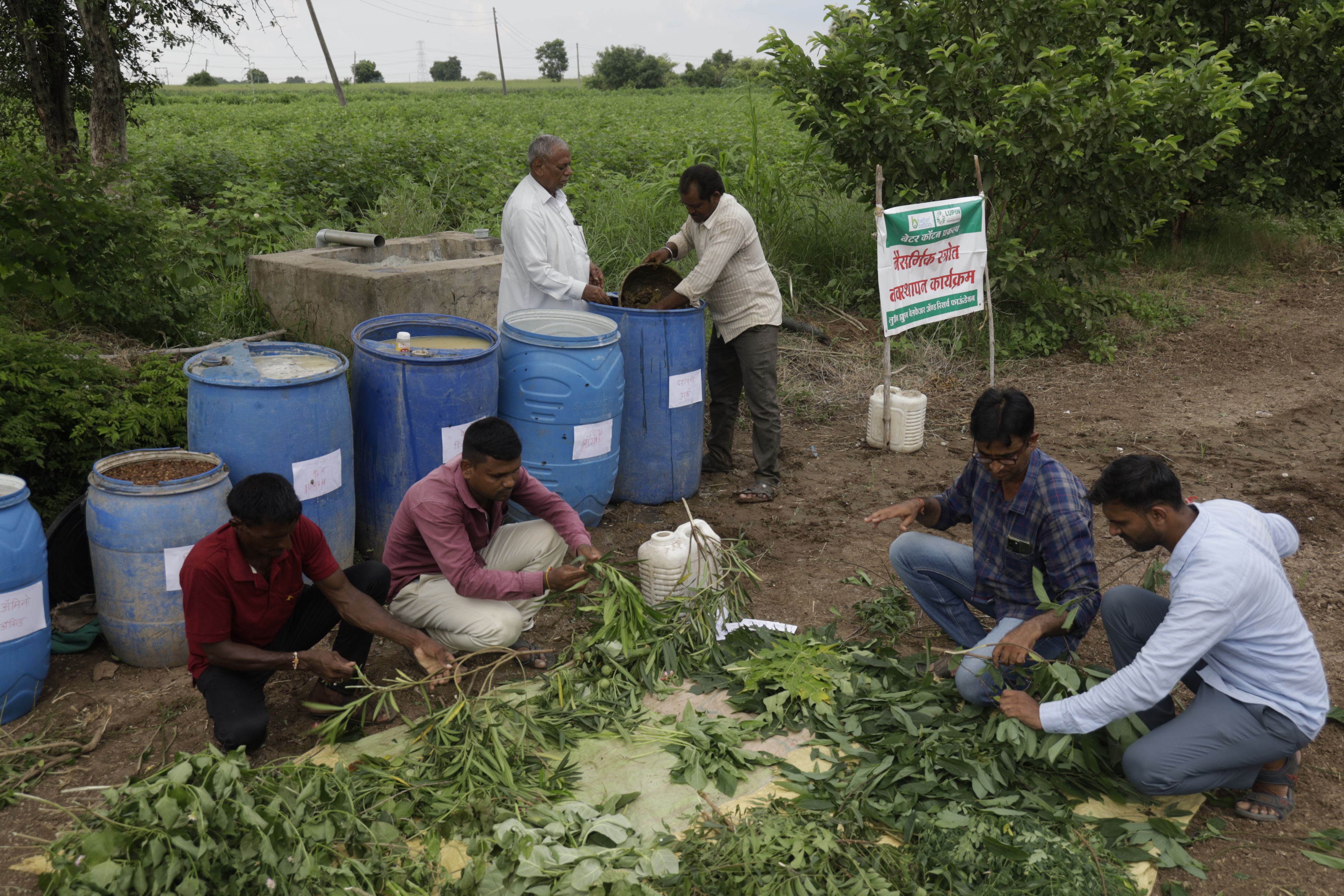
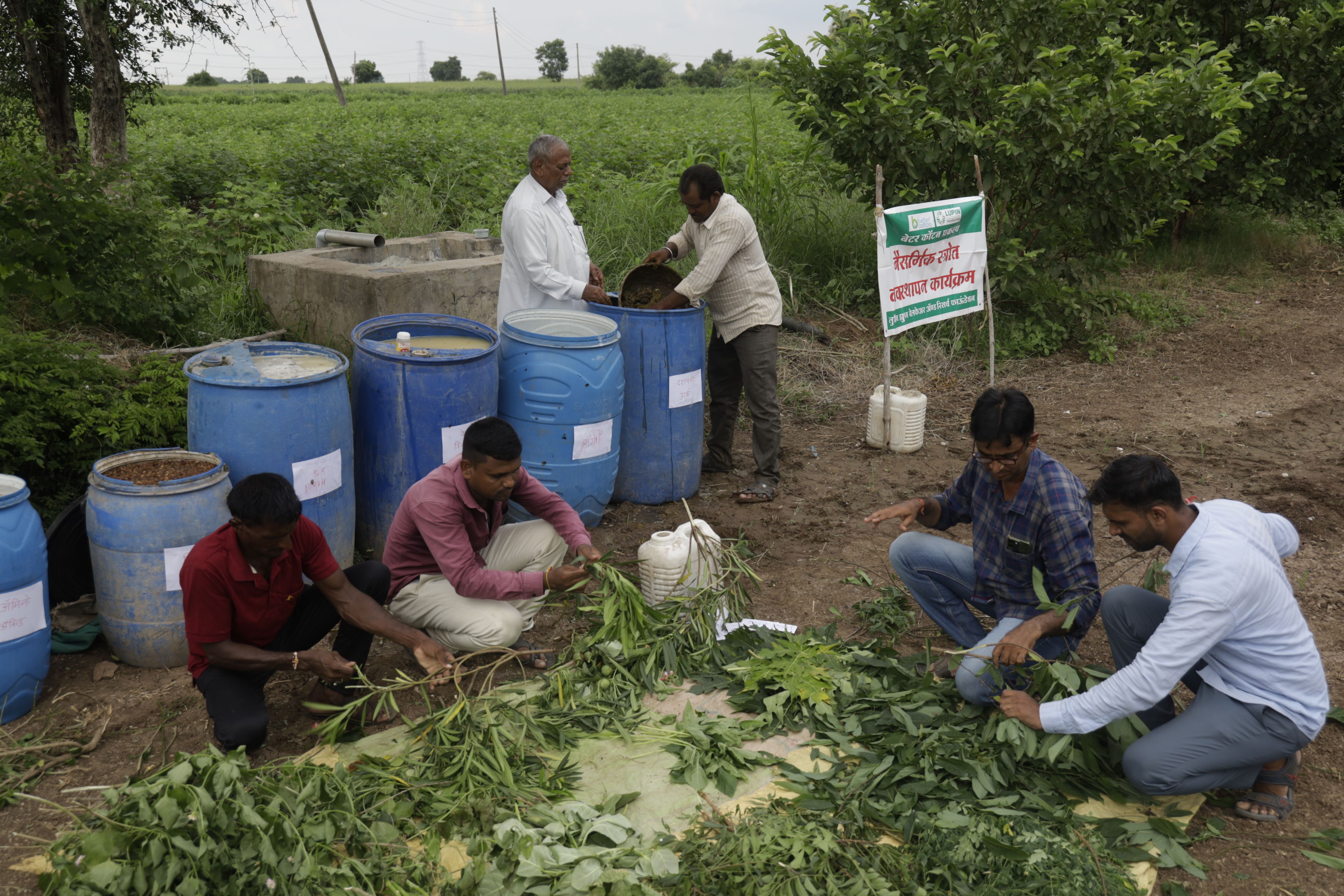
The program focuses on reducing the use of synthetic fertilizers and pesticides. Instead, it encourages the use of organic agents and natural pesticides to protect soil health. Healthy soils are crucial for resilient crops, and by minimizing chemical use, this initiative is helping to ensure sustainable farming for the future.

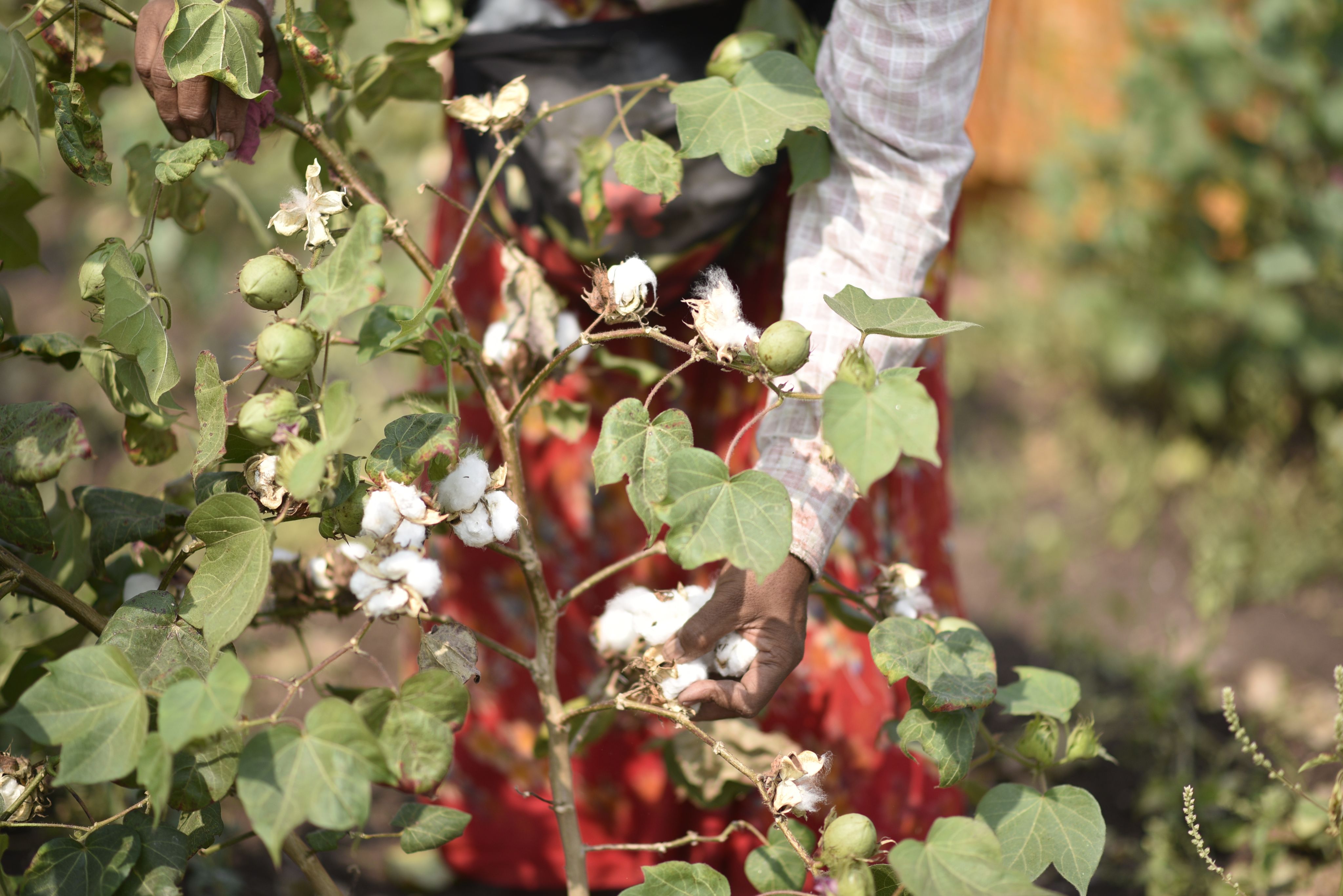

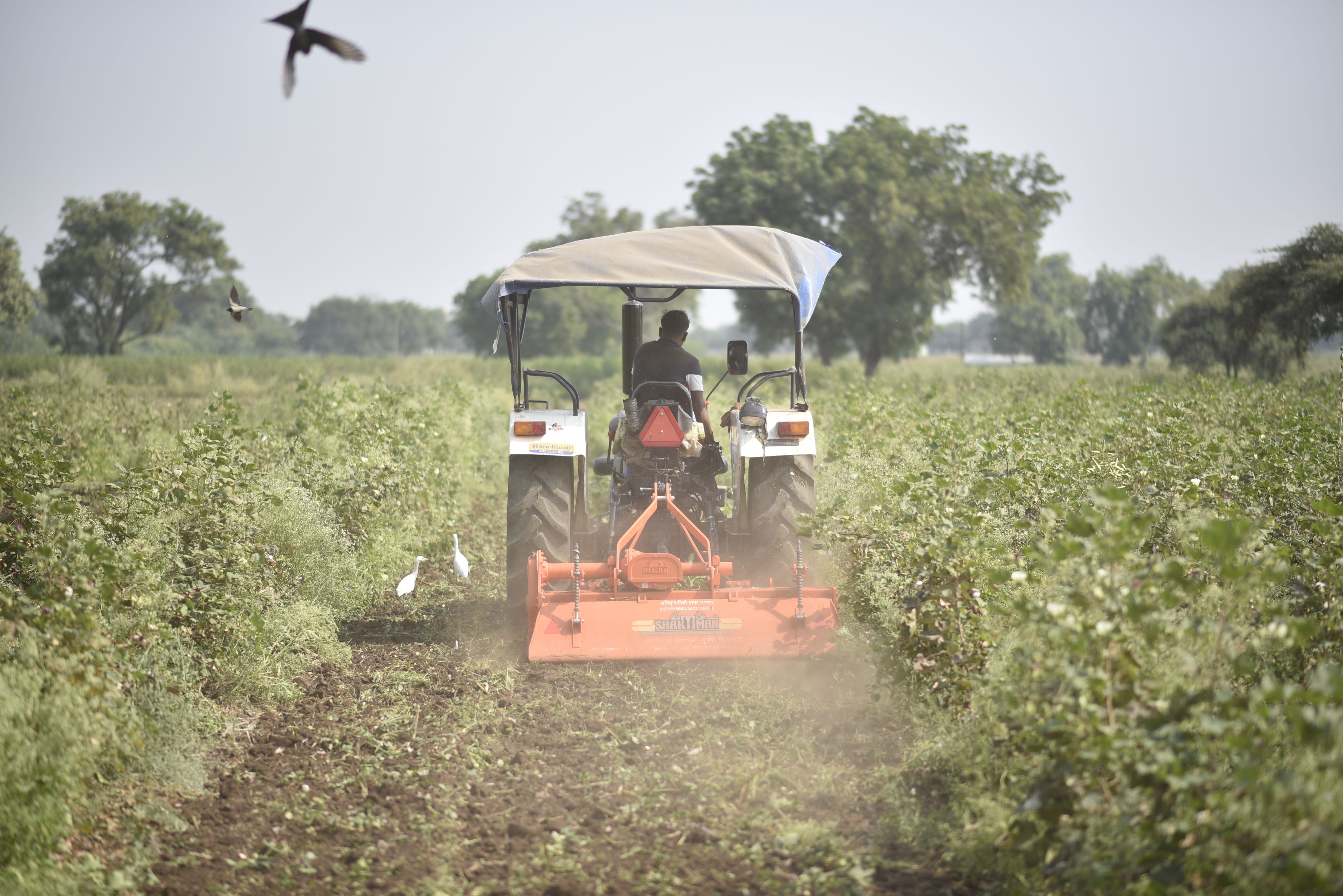
Training and Empowerment
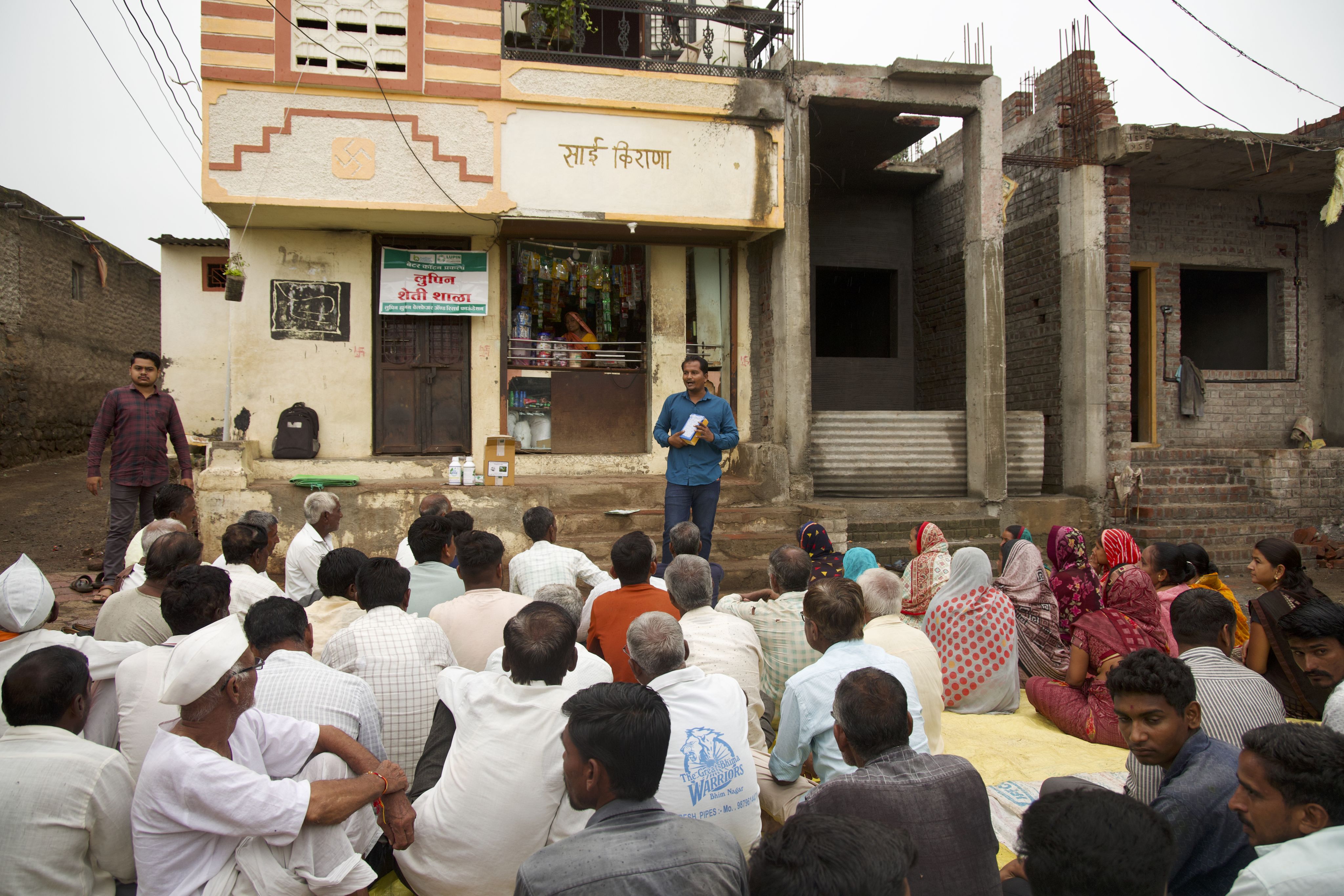
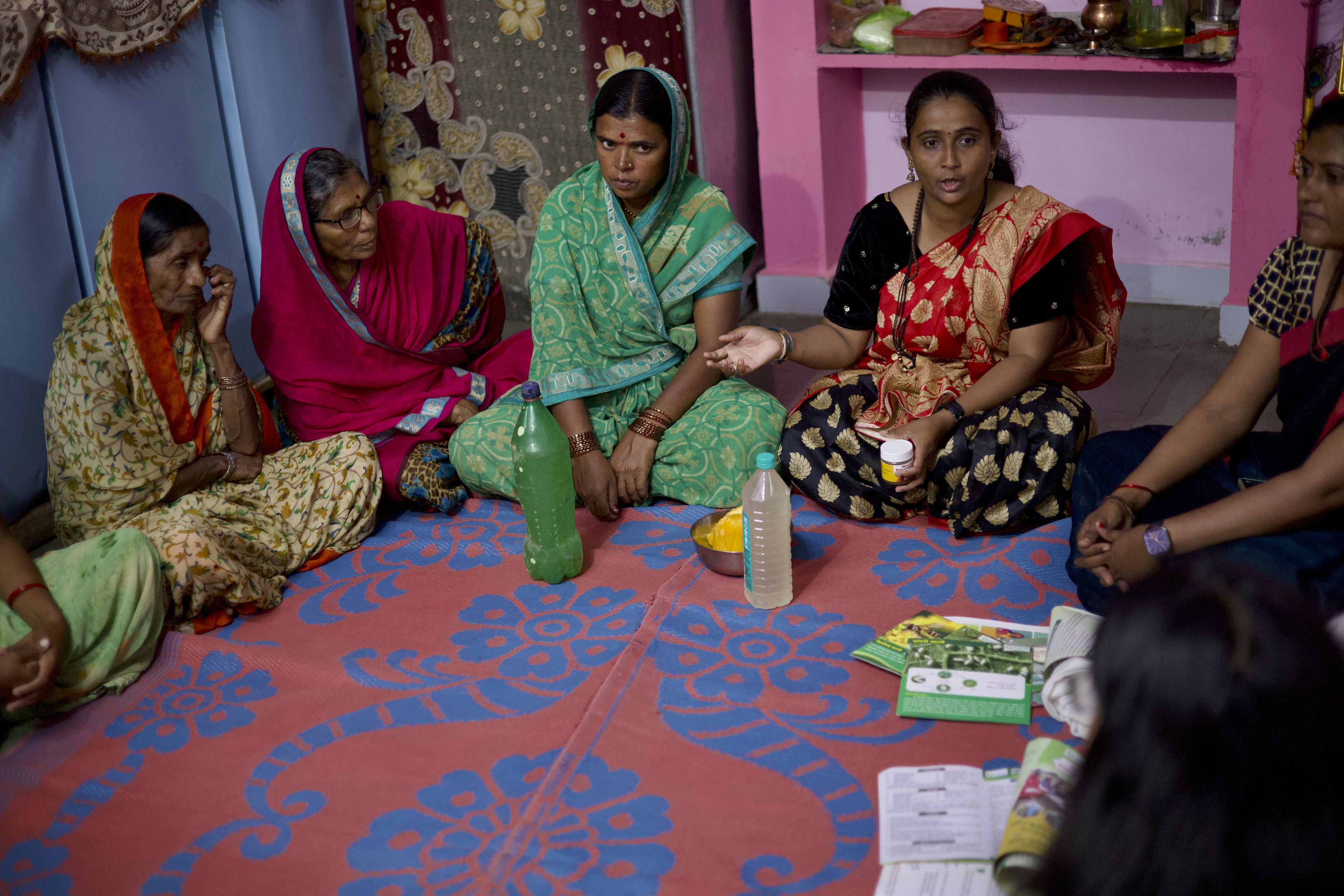
LHWRF & BCI team provides farmers with training programs to implement these sustainable practices. These sessions cover topics such as fertilizer management, safe pesticide use, and proper handling of Personal Protective Equipment (PPE) to safeguard workers. These programs empower farmers to make informed decisions that improve their efficiency and sustainability.
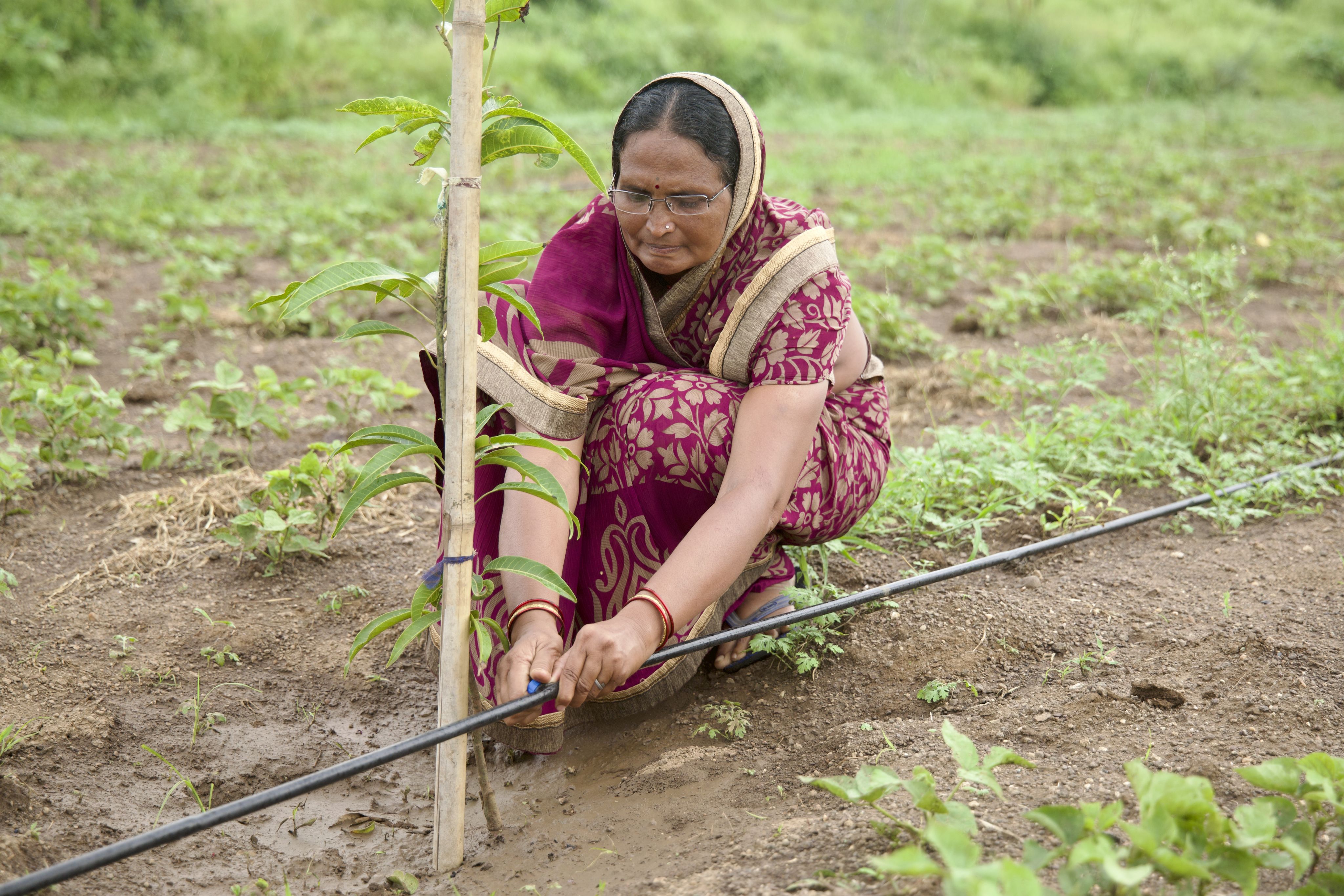
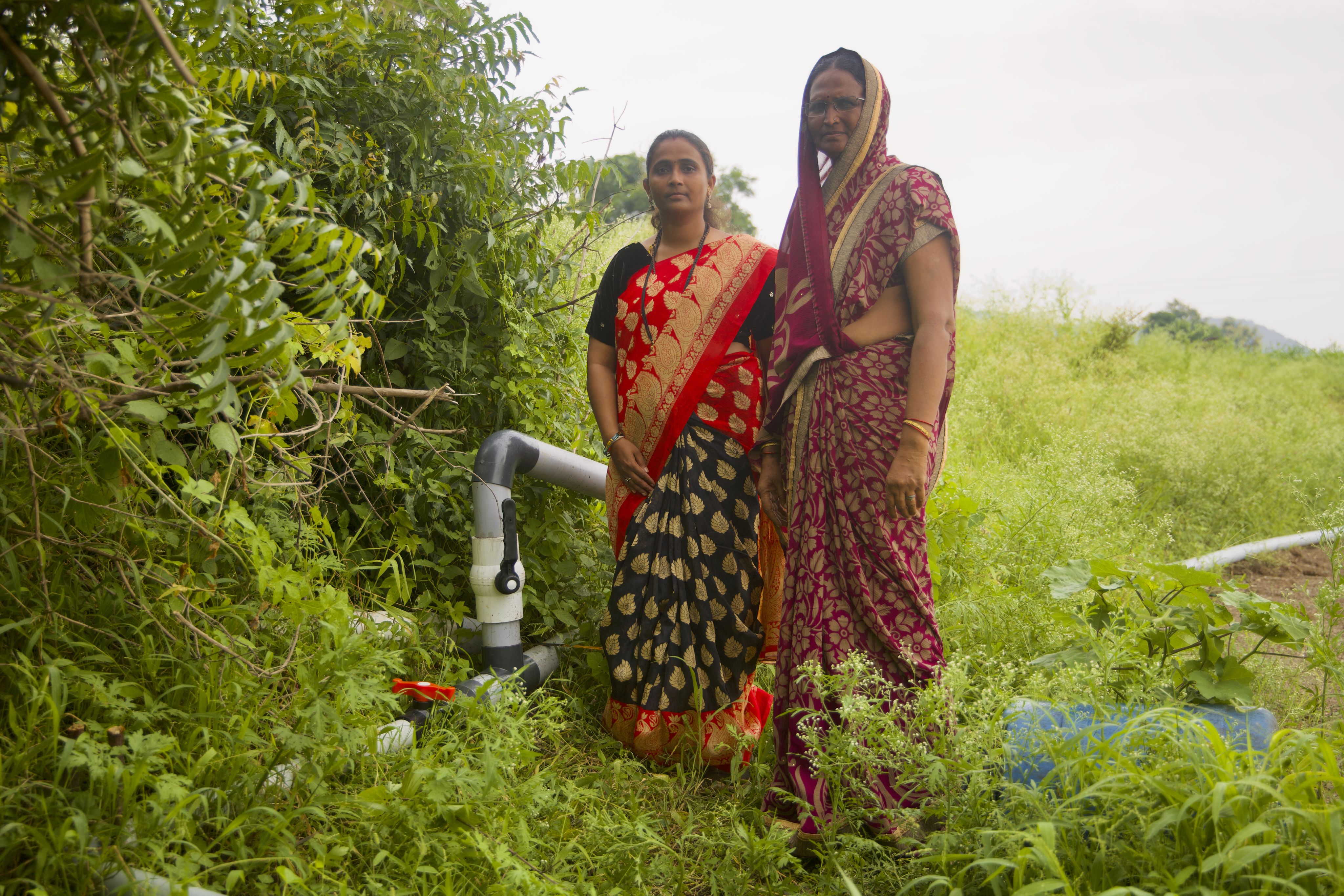
Jayashree from Dhamnar village in Dhule learned to plant only one seedling instead of two, which reduced her seed costs and improved her harvest. She also uses sticky traps to protect her crops from pests, a technique she learned in BCI training.
Promoting Gender Equality
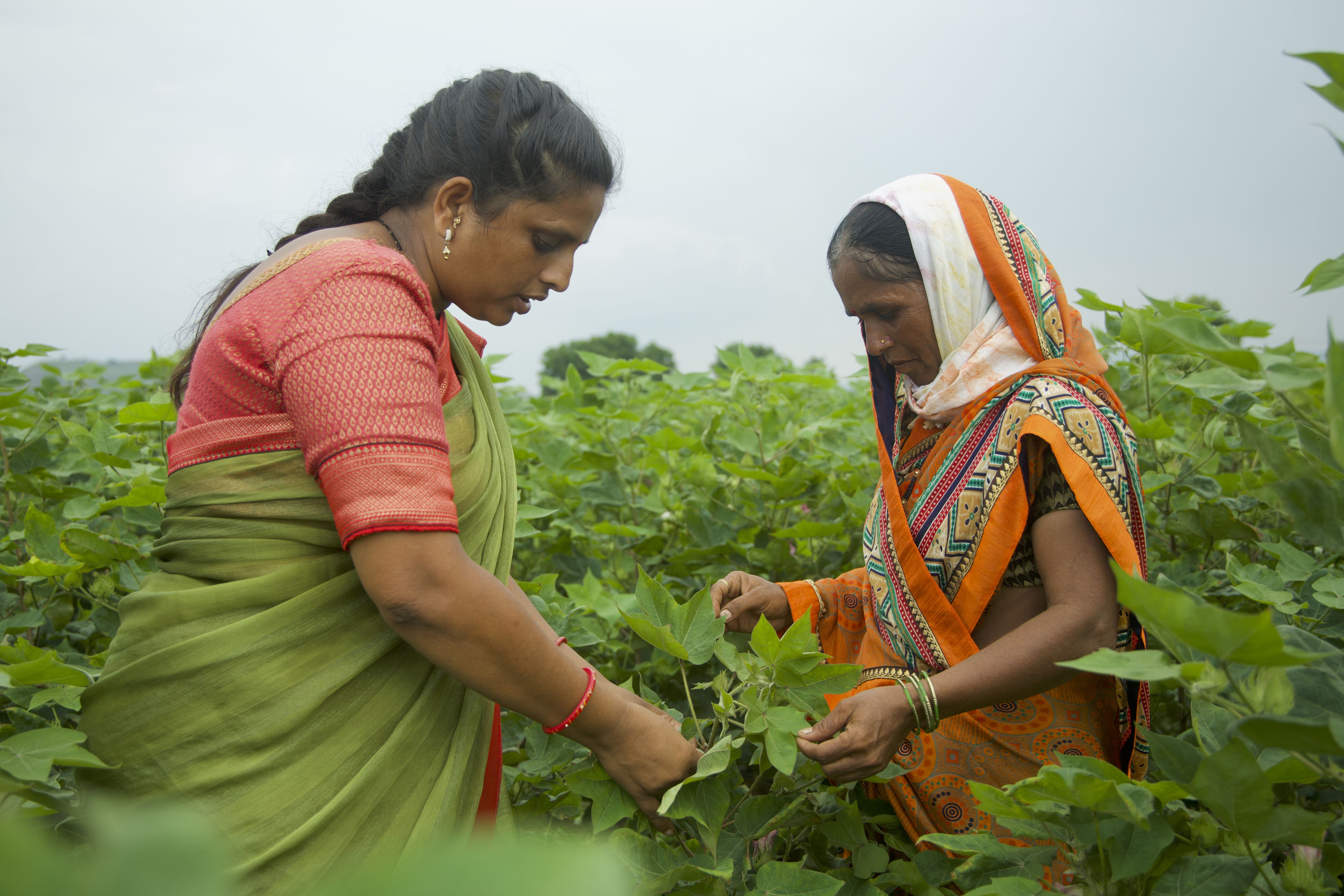
In many rural areas, women play a crucial role in agricultural labor but often have little say in decisions, which is why ample emphasis is laid upon gender equality in farming communities.
Women’s active participation in farm management and decision-making is encouraged, thus improving farming outcomes and advancing gender equality.

Crop Diversification:
A Strategy for Resilience
The initiative also promotes crop diversification as a strategy to improve resilience to climate change and increase income.
Practices like intercropping, crop rotation, and agroforestry improve soil health, reduce pest risks, and enhance farm productivity. Diversification also
provides farmers with multiple income streams, reducing their reliance on cotton alone.
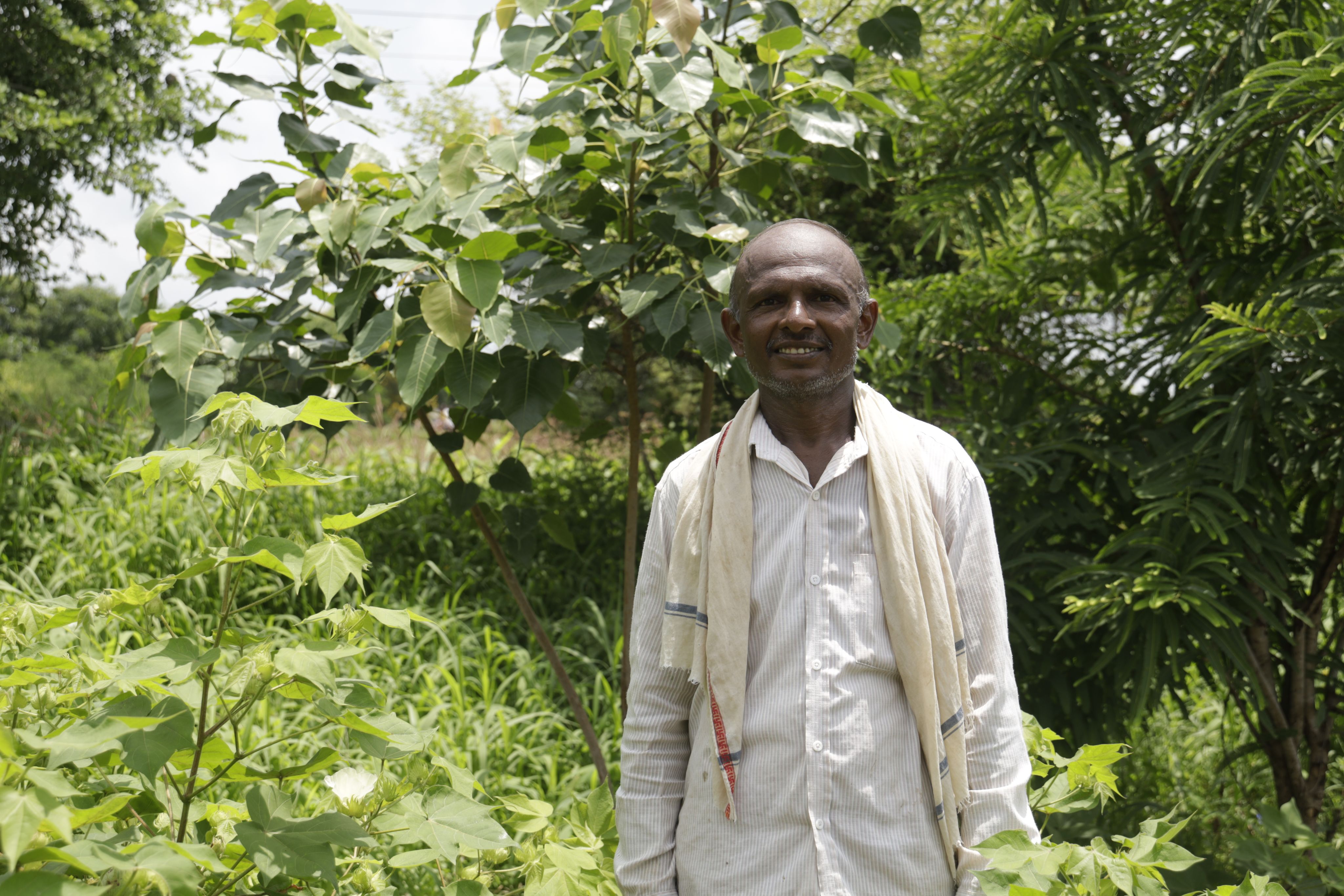
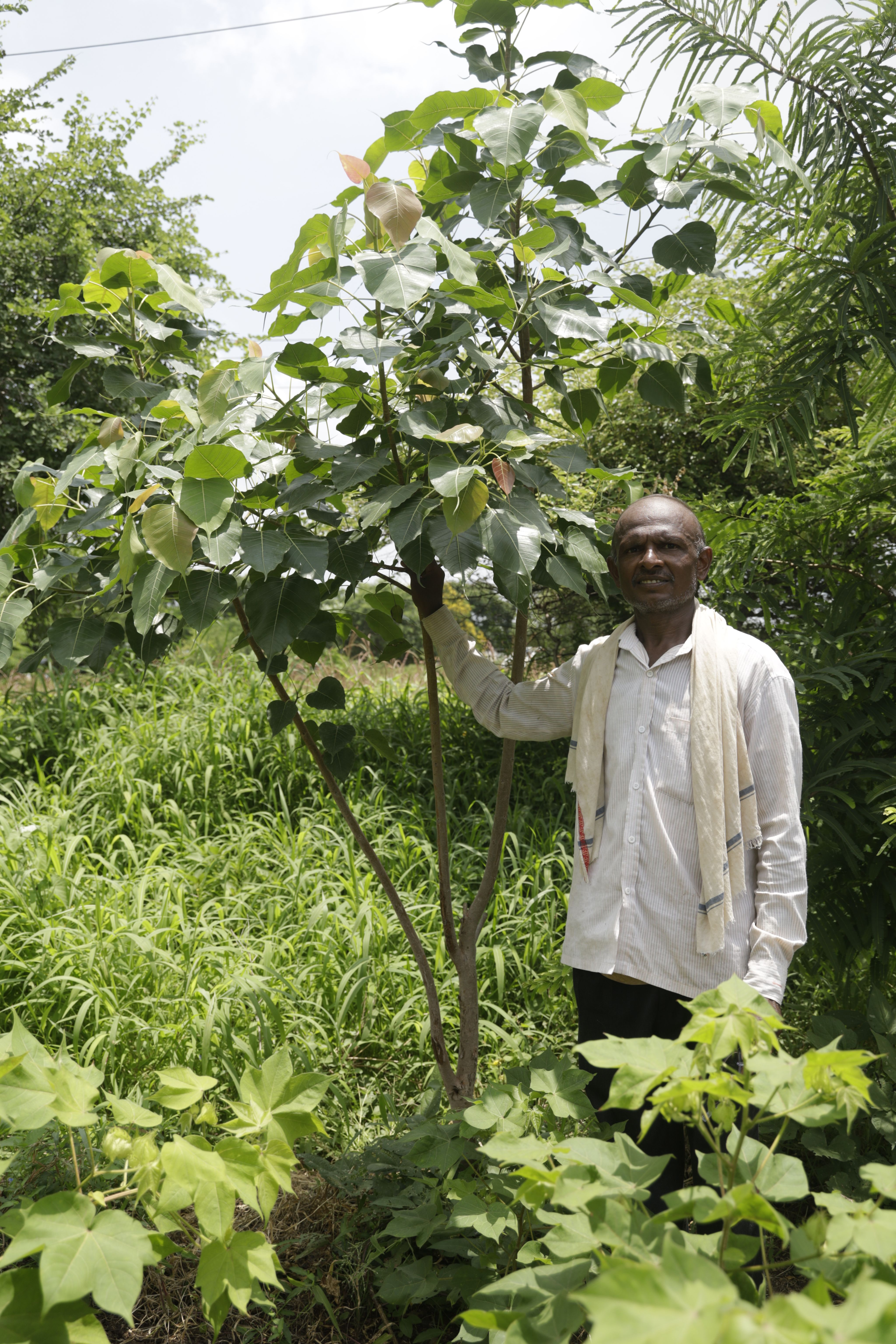
Devidas, a farmer from Dhule, introduced fruit trees like custard apples and mangoes alongside his cotton and maize crops. “These fruit trees, once established, require much less ongoing care,” says Devidas.
“As I age and physical labor becomes more challenging, this strategy ensures my farm remains productive and profitable—a built-in pension plan!”

Alternative Livelihoods: Enhancing Farmer's Income
While significant efforts are made to improve farming outcomes, the team acknowledges that farming alone can sometimes prove to be insufficient.
To address this, they actively promote alternative livelihoods such as small-scale livestock farming, cultivating vegetables or pulses, and engaging in value-added processing.
These initiatives offer farmers a steady year-round income, reducing their reliance on cotton and safeguarding them against fluctuating cotton prices
and environmental uncertainties.
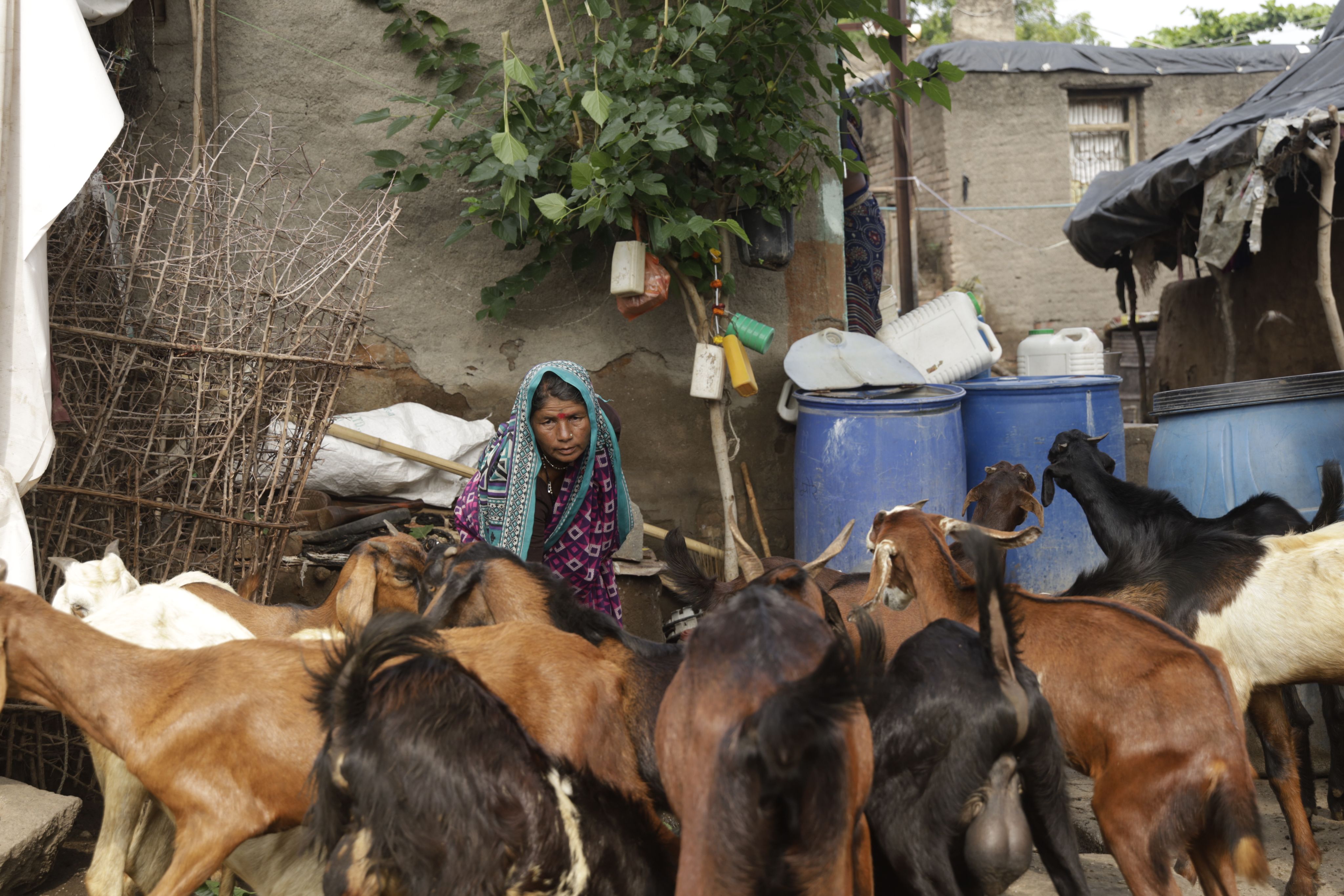
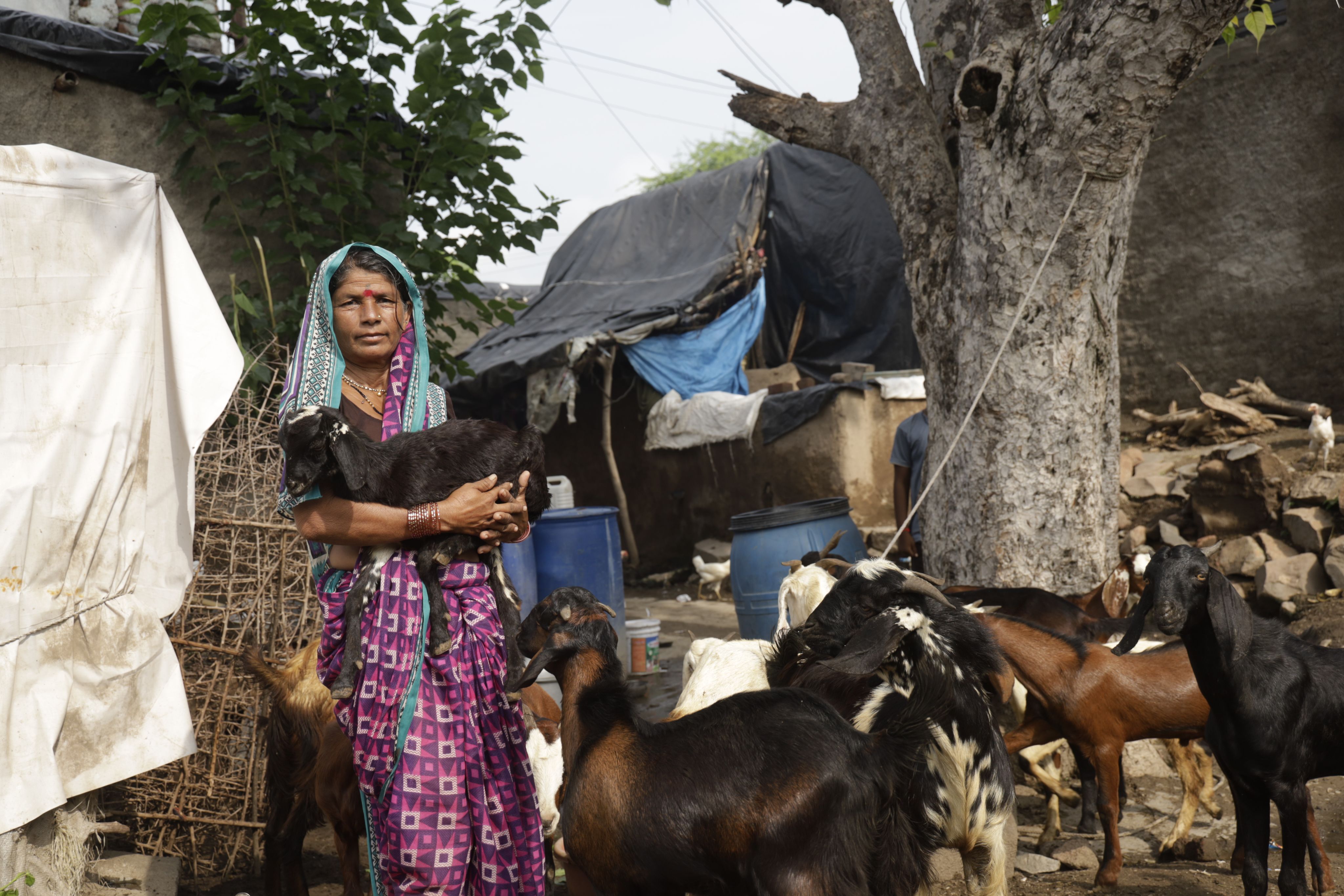
The Bhil family from Sadgaon village, Dhule, once solely dependent on agriculture, received four goats for Rs. 6,000 in 2023. Within a year, their herd had multiplied, providing them with a steady source of income. This initiative helped the family build a more stable livelihood beyond cotton farming.

The on-ground staff members from LHWRF form the backbone of the project.
These 291 staff members work daily in over 511 villages across Dhule, and Nandurbar
guiding and supporting farmers every step of the way. In the 2017-18 season, the project
began with just 12,000 farmers.
By the current season (2023-24), the initiative has reached an impressive
95,141 cotton growers, showcasing the project’s remarkable
growth and impact.

 Built with Shorthand