
A women-led farmer producer company
is turning the tide for farmers
in Maharashtra
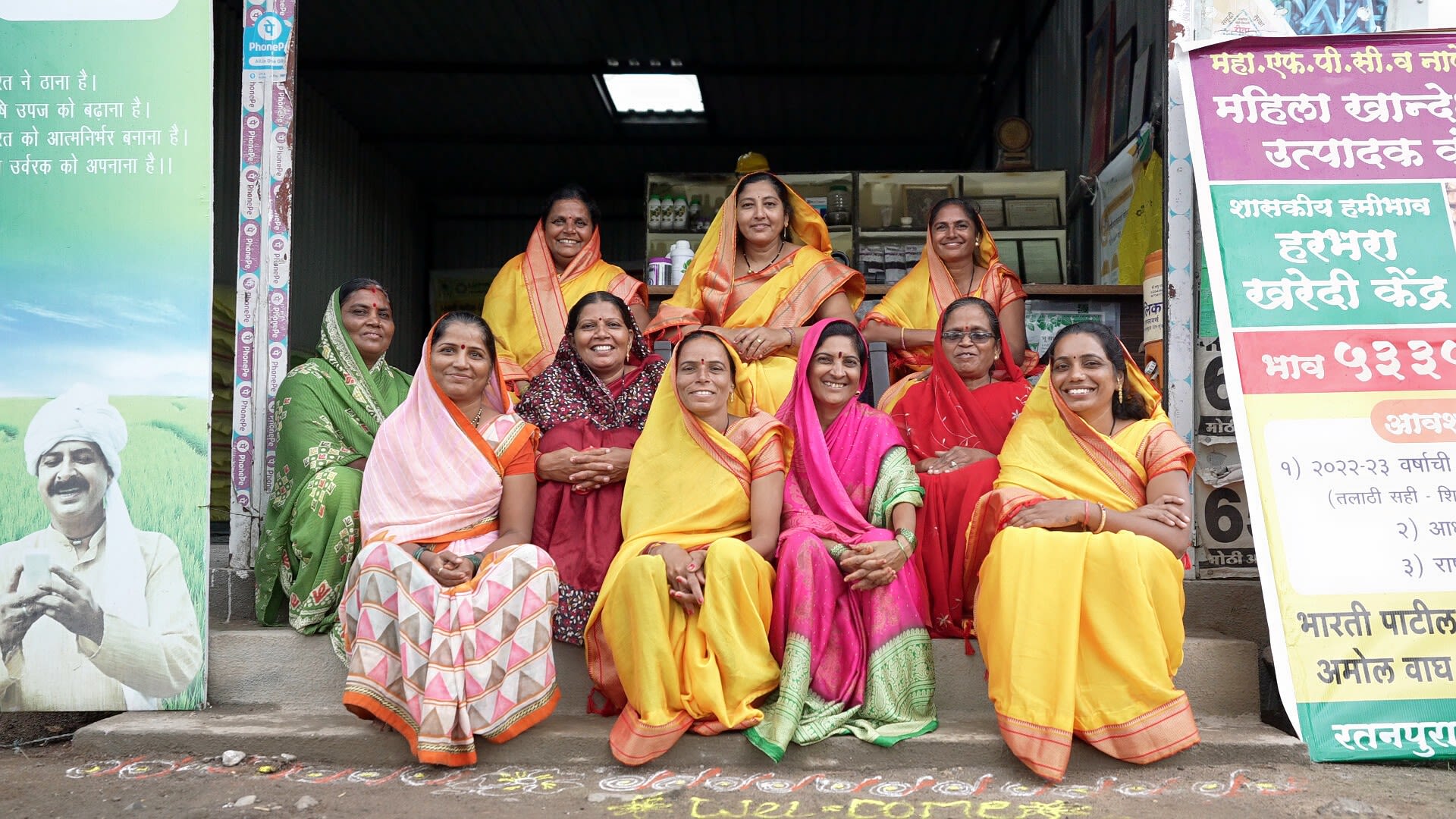

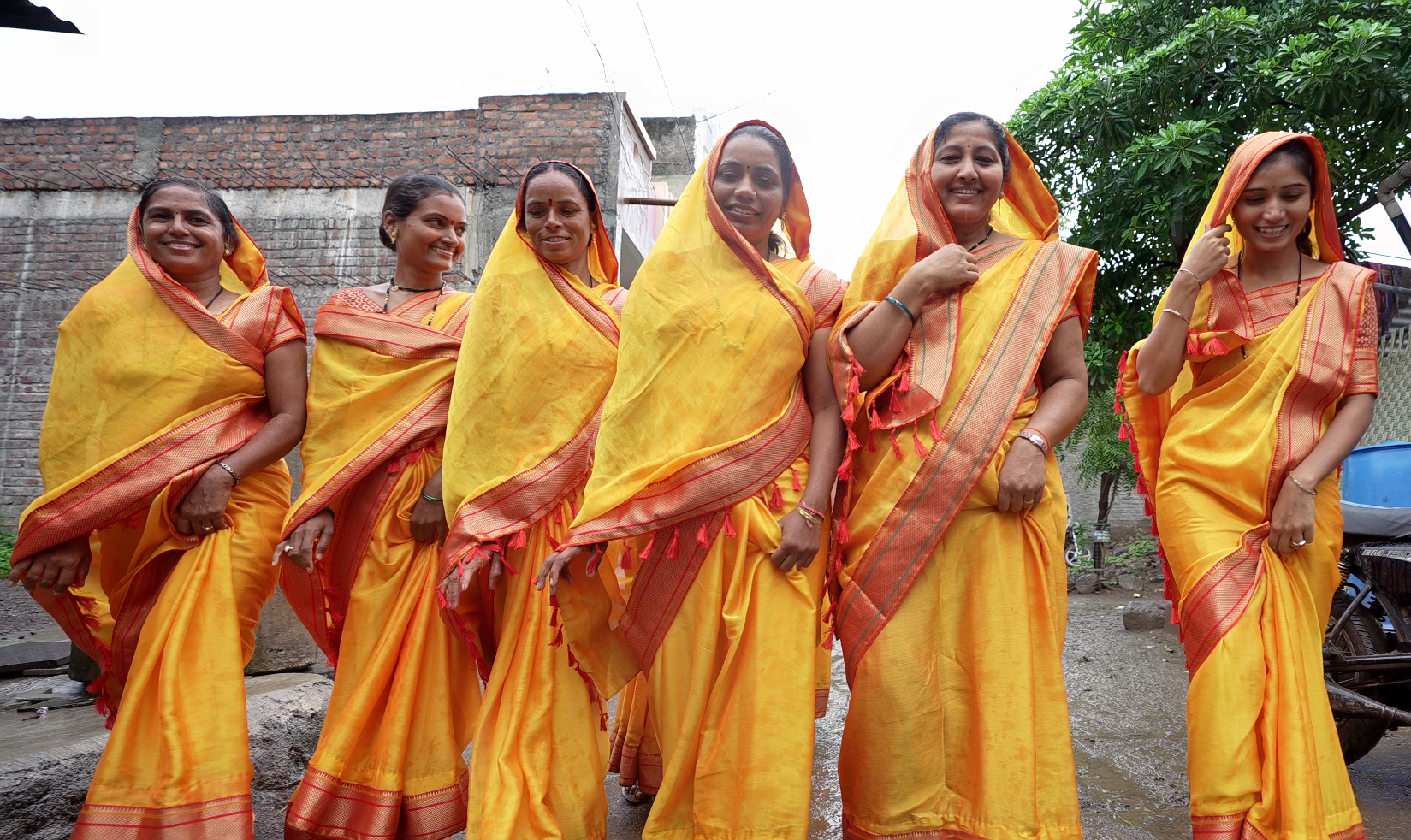
Women constitute more than 60% of the agricultural workforce in the country. So, the idea of starting a women-led Farmer Producer Company (FPC) seemed obvious to those part of women’s self-help groups in Dhule, Maharashtra. Thus, the Mahila Khandeshi Farmer Producer Company was born in 2019 to provide high-quality seeds and fertilizers to farmers at prices lower than the market.
Starting this venture wasn’t easy as societal norms were stacked against these women. Additionally, the presence of more than 10 bigger shops in the region selling similar products was also challenging.
“They used to say that even with their bigger shops and the wholesale prices they offered, they struggled in this market, so there’s no hope for us,” recalls Bharti Bhadane, Chairperson, Mahila Khandeshi Farmers Producer Company.
With their grit and sheer determination, the FPC not only secured co-farmer certificates for its members but also did a business of around ₹ 95 lakhs in the year 2022.

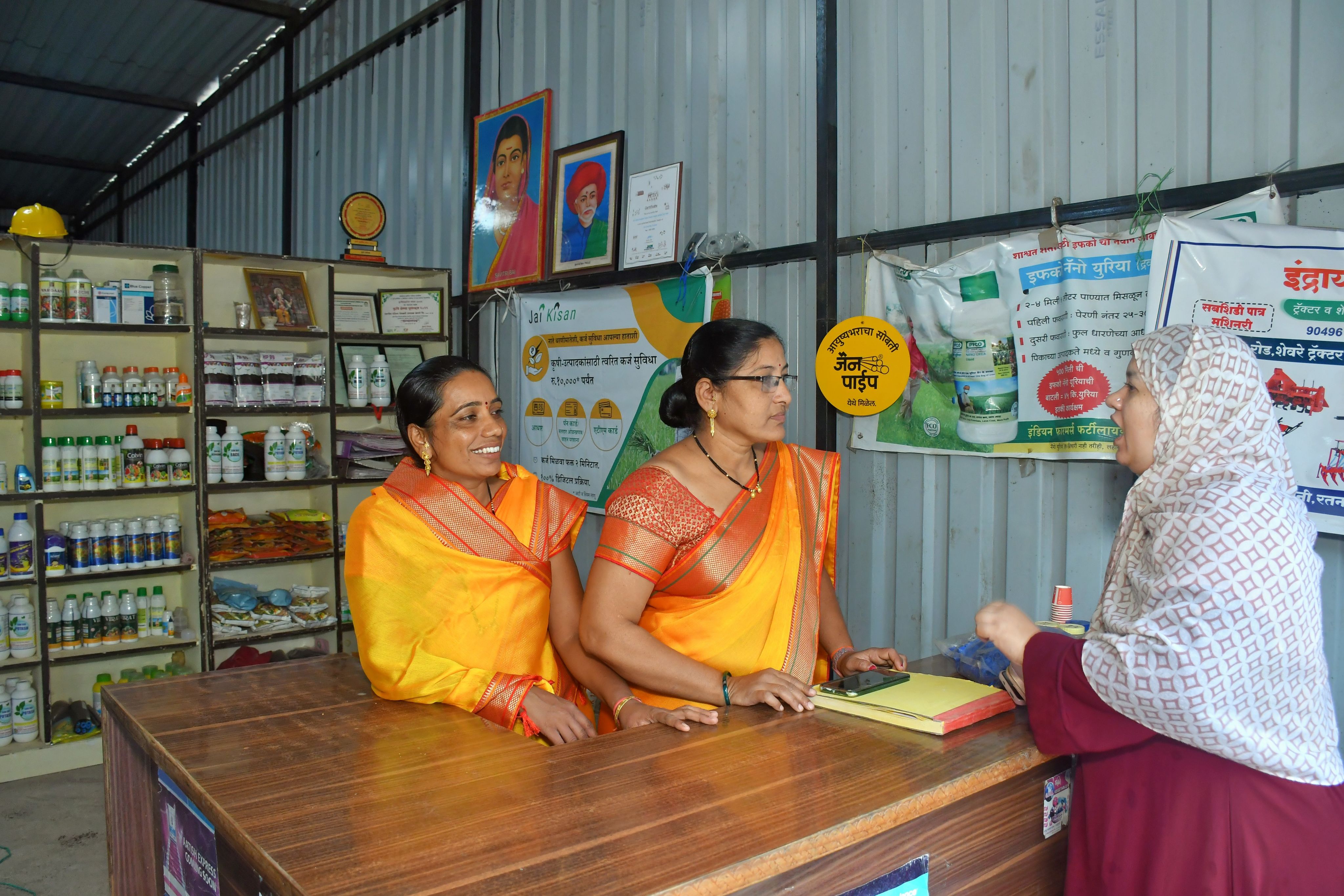


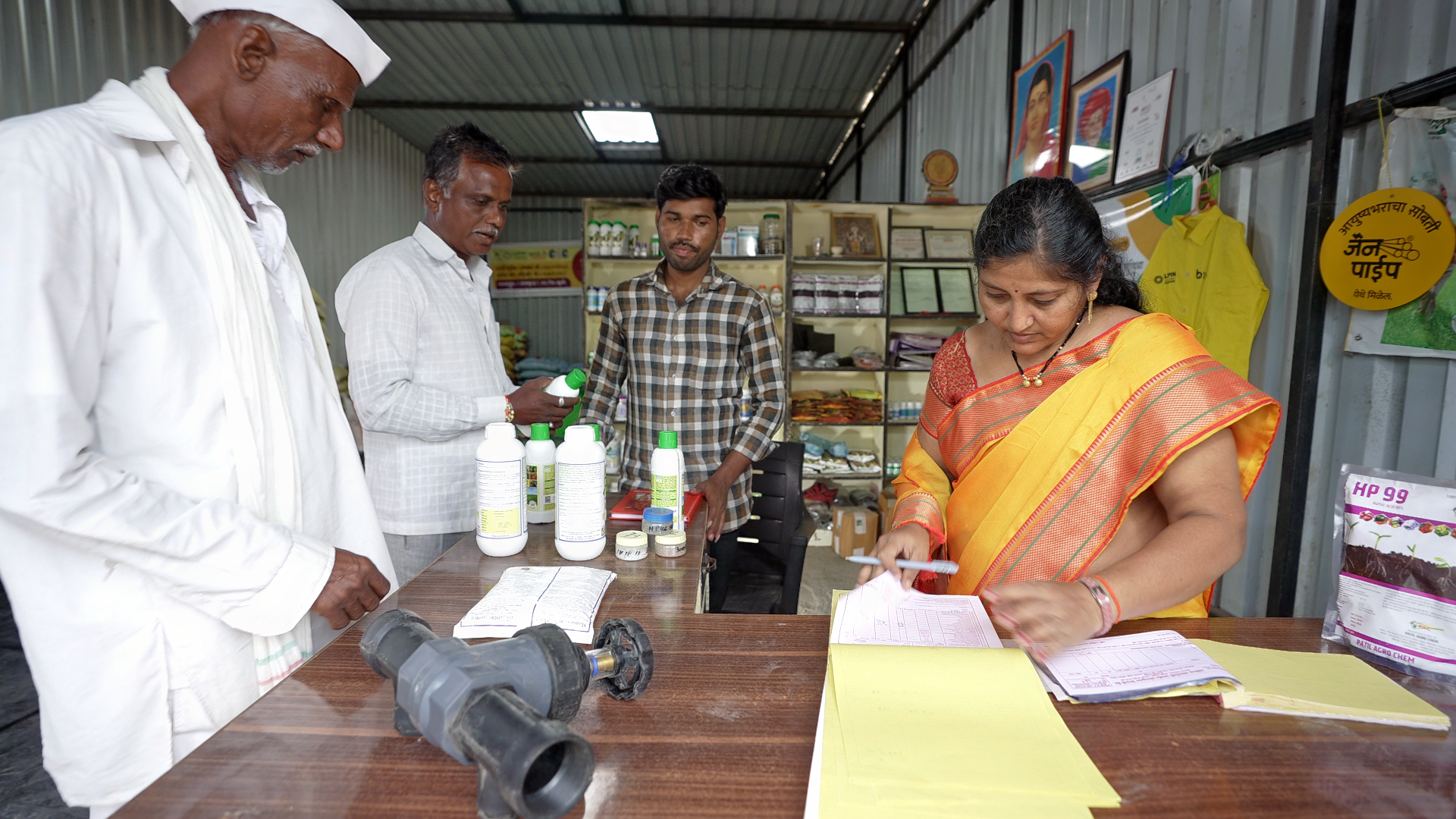
“Now if we go somewhere, people recognise us and say, ‘mahila FPC inki hai’. These are the ladies from the women-run FPC,” Bhadane proudly shares.
From securing a shop at a prime location to becoming a go-to store for the farming community, LHWRF has been an ardent supporter in the journey of Mahila Khandeshi Farmer Producer Company. The initiative which began with roughly 50 women— all hailing from families engaged in agriculture — now has about 400 women associated with it.

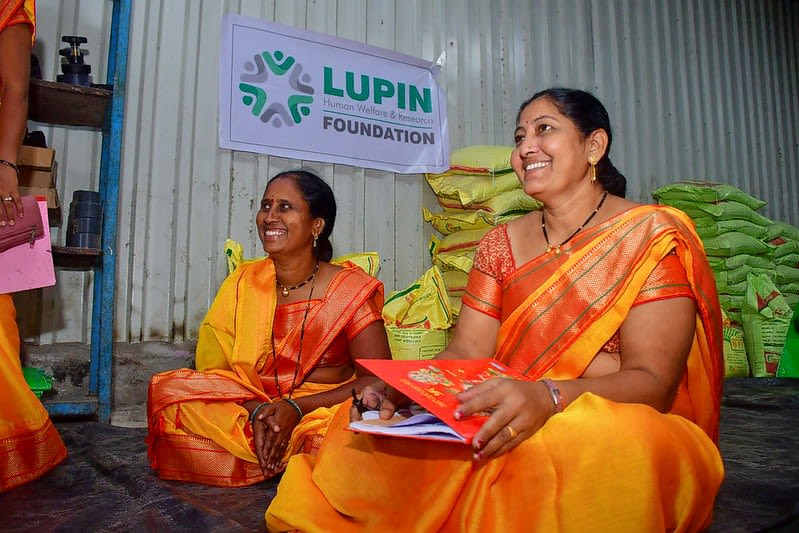
Business that profits community

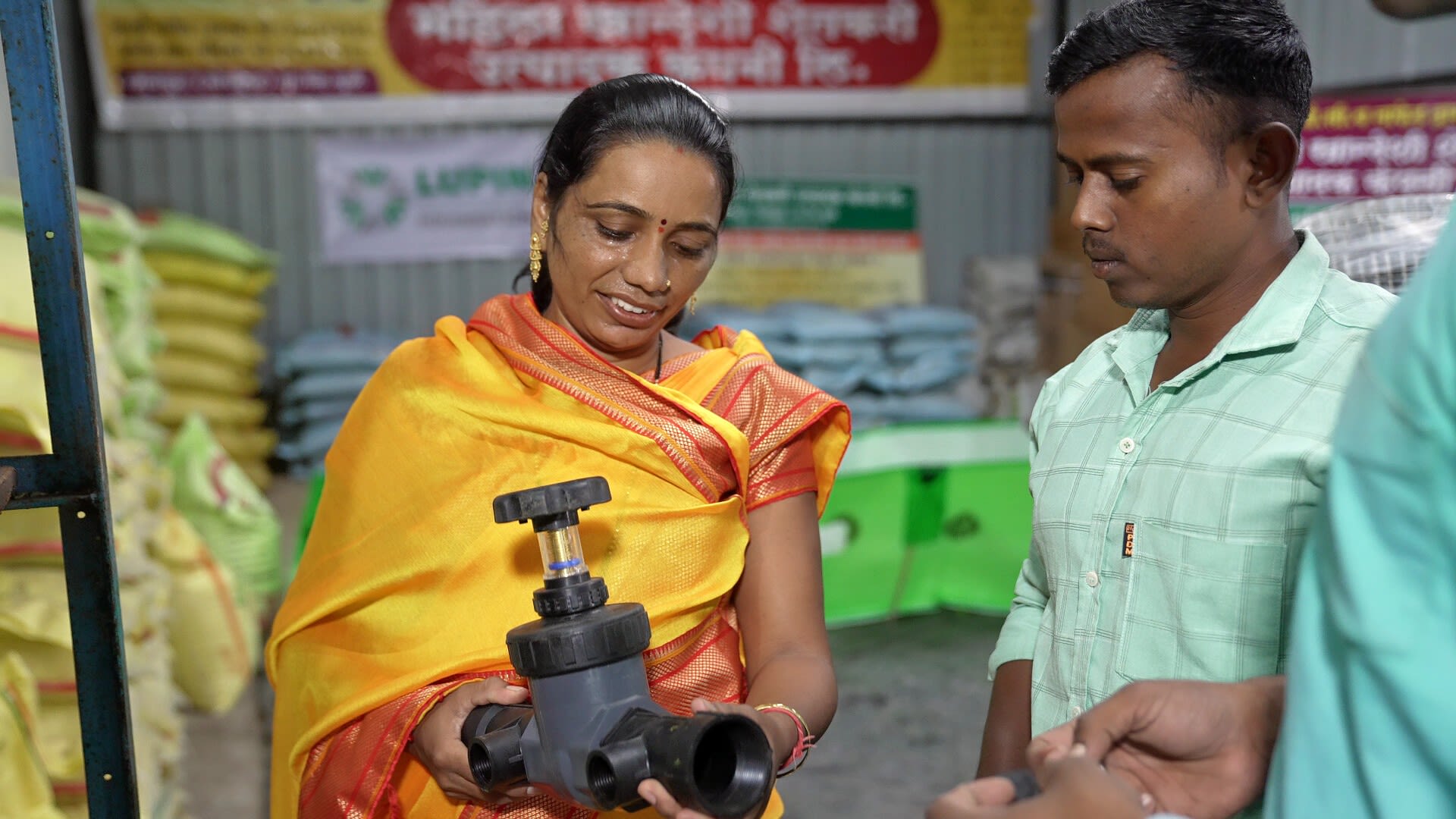
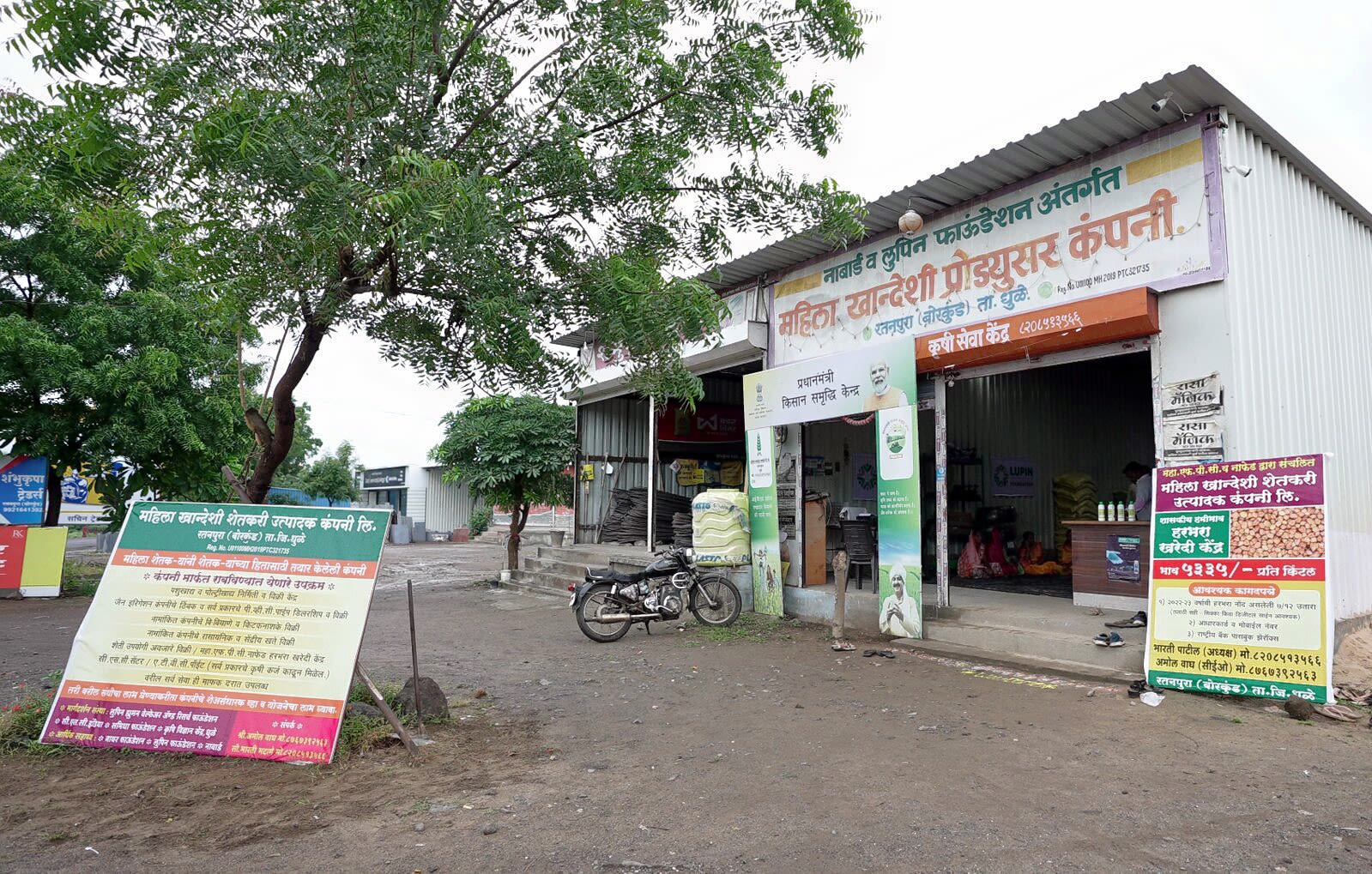
Built with the value of communal prosperity at its core, the FPC sells produce at lower margins compared to the market rates.
“Everyone benefits from the FPC. Instead of spending, say, ₹10,000 - ₹12,000 on input products, one gets the same material from our FPC for ₹7,000 - ₹8,000. The remaining amount can be used for the household or towards other expenses.”
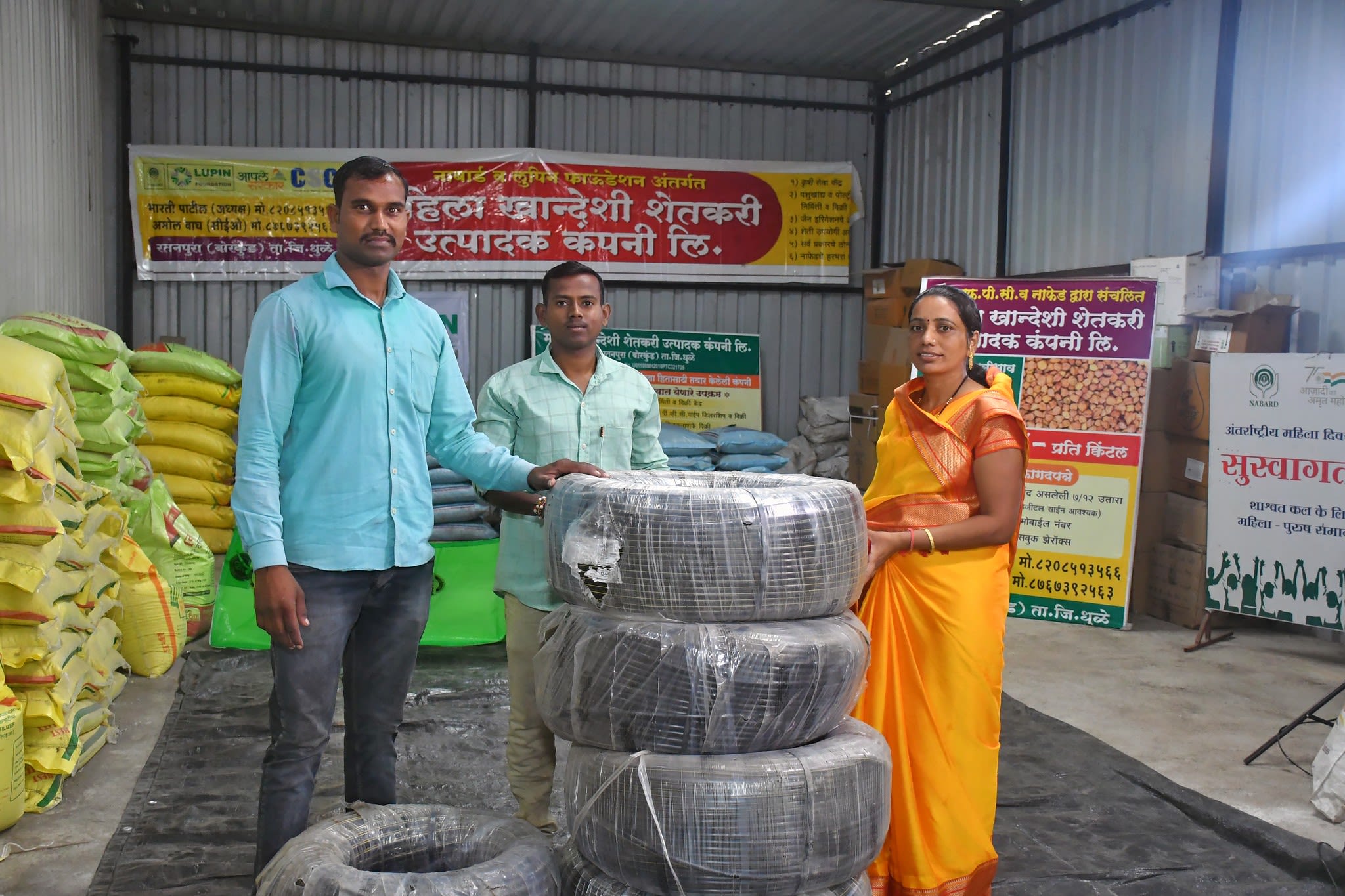
The initiative resonated with the farmers. Therefore, the FPC didn’t stop there and found more ways to support farming communities. They collaborated with Jain Drip Irrigation to facilitate the installation of water-efficient micro-irrigation systems across fields in the region. By making an efficient irrigation system accessible for many, the FPC played a pivotal role in boosting agricultural productivity while ensuring optimum use of water.
“If outside you get it installed for ₹60,000 for one acre of land, we offer them the same at ₹50,000. So, that's ₹10,000 saved right there,” Badhane explains. It was through this dealership the FPC did a business of ₹95 lakhs in 2022, according to Badhane.


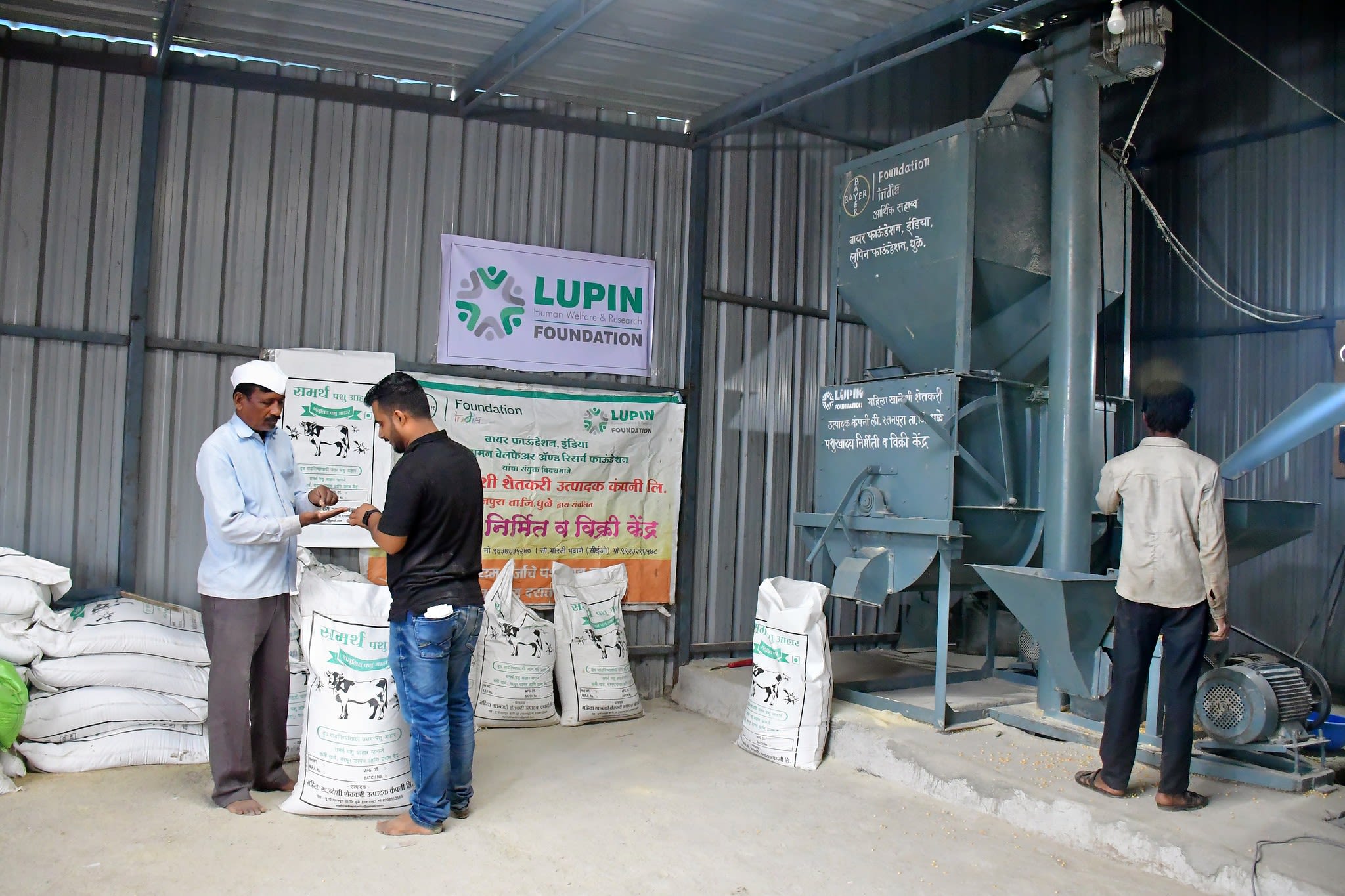
Seeing the rising interest in the community, the FPC then established a cattle feed producing unit via a grant from Bayer. Taking this step meant ensuring the supply of quality feed to livestock farmers. While procuring it from the market would cost a farmer ₹1,300 for a bag of 50 kg, the FPC provides the same at ₹1,150-₹1,200.
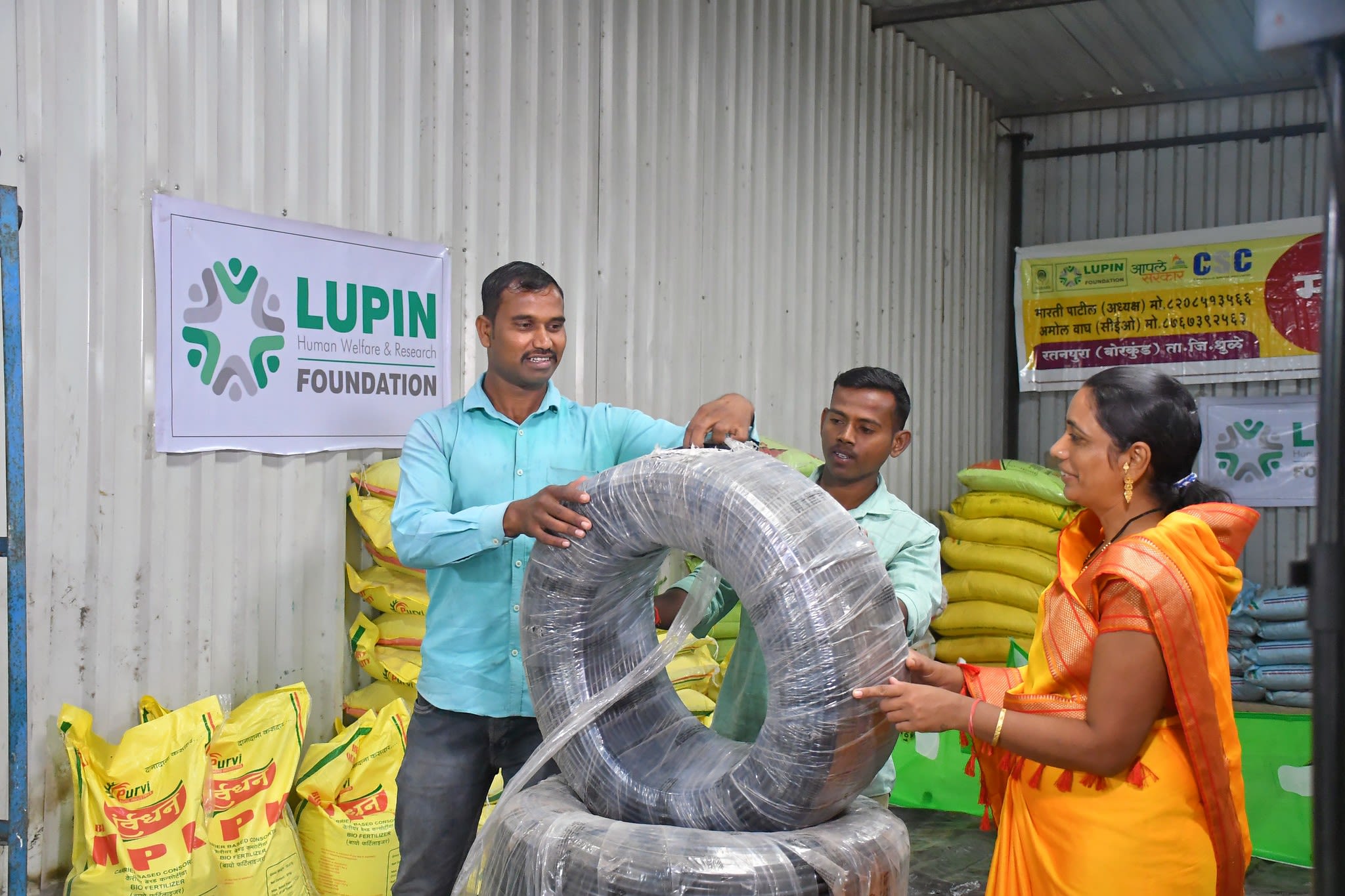
Initiatives like these, which provide agricultural input products at reduced prices, are specially critical in such vulnerable regions of Maharashtra—a state which recorded a total of 479 farmer suicides in March and April this year. FPCs like the Mahila Khandeshi Farmer Producer Company have emerged as a great support system for farmers.
Challenges come and go, strong determination stays

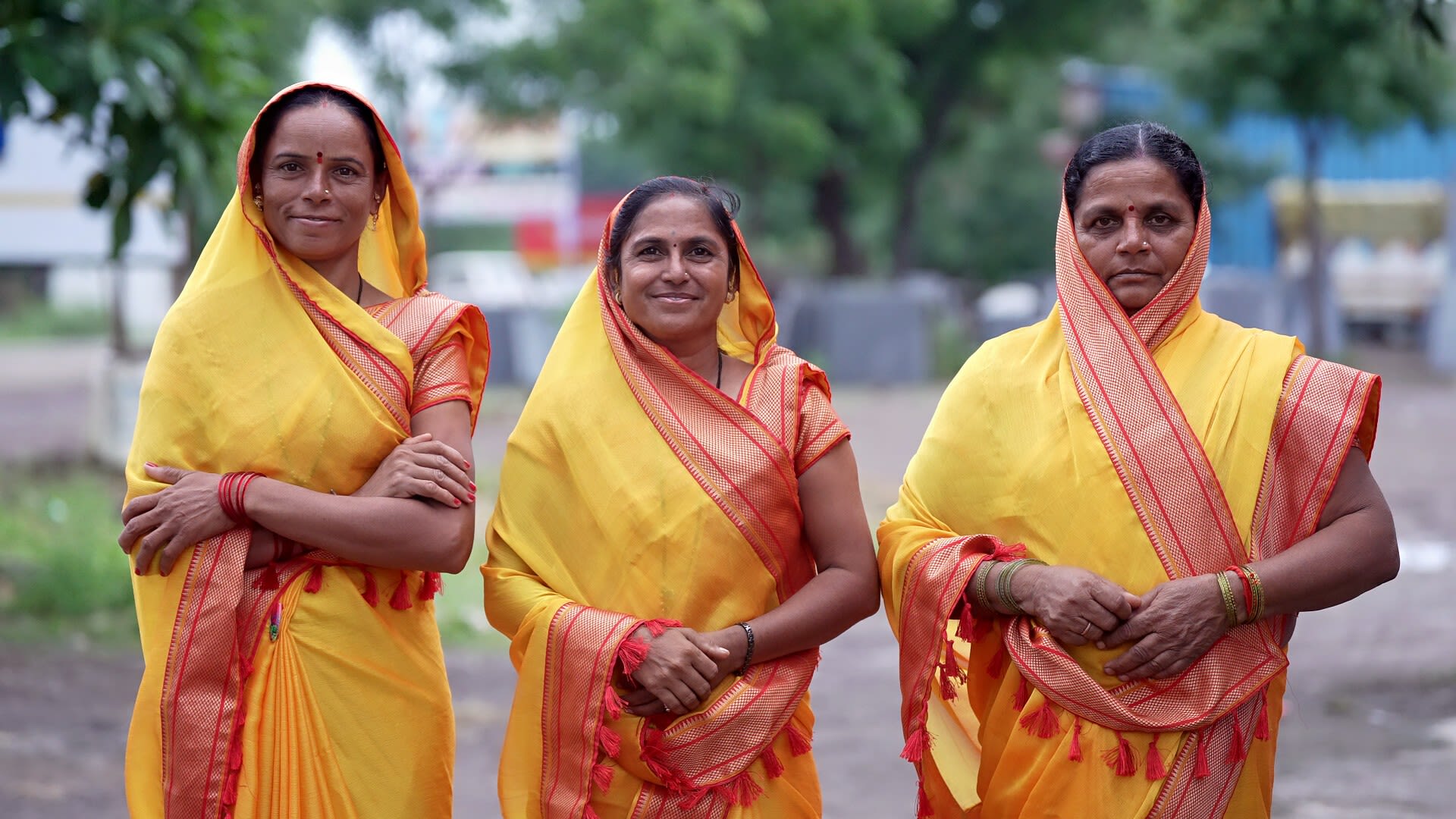
Operational challenges are part and parcel of any business. For this women-run FPC, one of these challenges can look like lack of a solid storage space during monsoons.
Amidst rains, it can become difficult to store corn to process for cattle feed as grains become moist, leading to poor grinding. As a result, they have to halt operations for producing cattle feed.
Why not take a loan to procure more space instead of halting operations? “We are planning to get more storage, but without bank loans. Since the FPC makes barely any profit, we also ensure that we do not incur losses. If we take loans and incessant rains lead to moisture-laden grains, we won’t be able to recover and pay the interest,” Bhadane explains. It’s through such planning, careful consideration and discussions that these women run this FPC. The members meet monthly to discuss workload and assign duties.
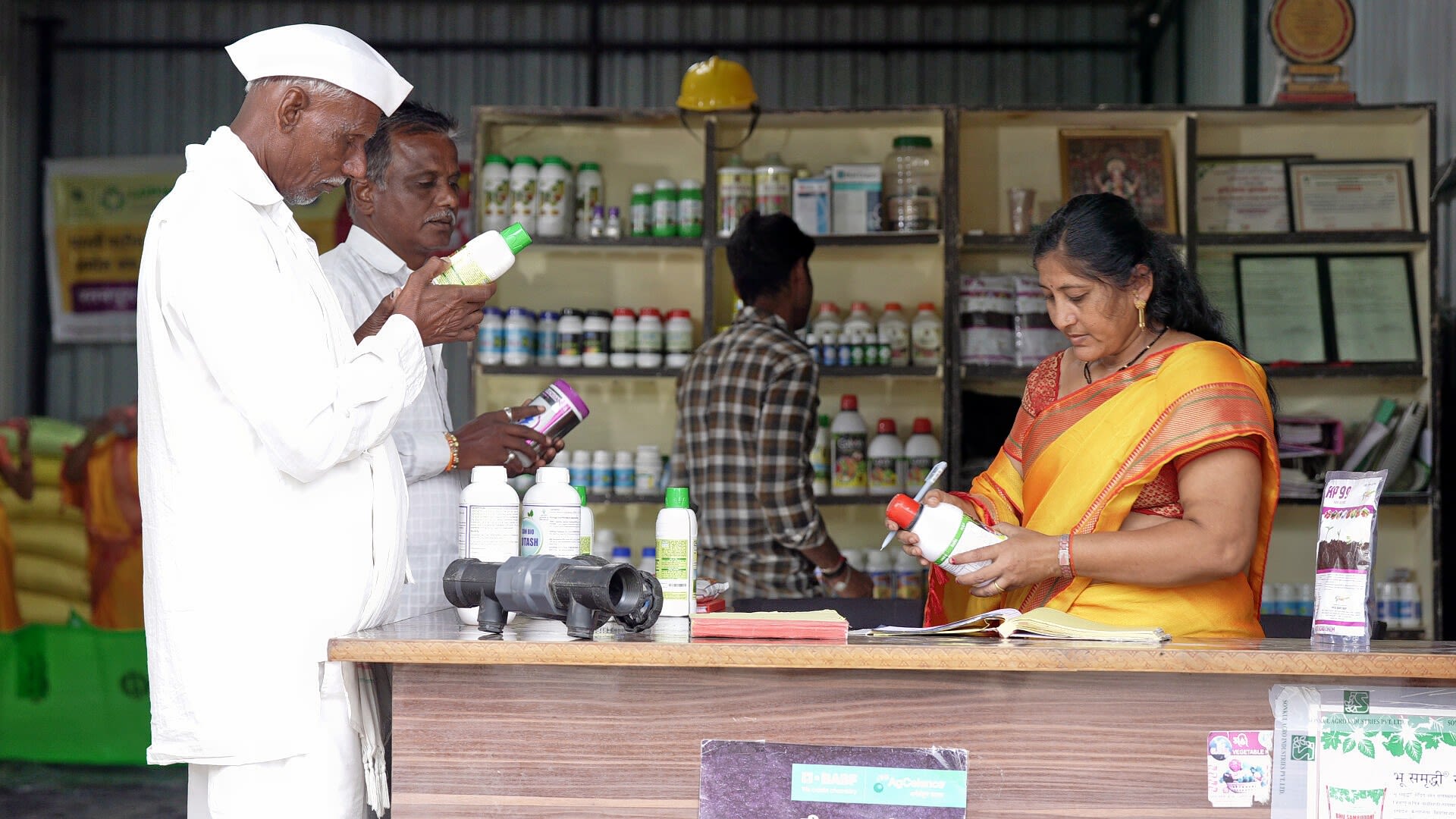
Bigger dreams and brighter future for women
Being the Chairperson of the FPC, Bhadane has seen firsthand how women-led initiatives benefit not just them, but also their families and entire communities. Therefore, The FPC has also facilitated several trainings for women like training for parlour work, tailoring, driving, etc. to empower them financially. “We feel happy to see that some of the women who received those training are now running their own enterprises like beauty parlours, tailor shops,” Bhadane shares proudly.
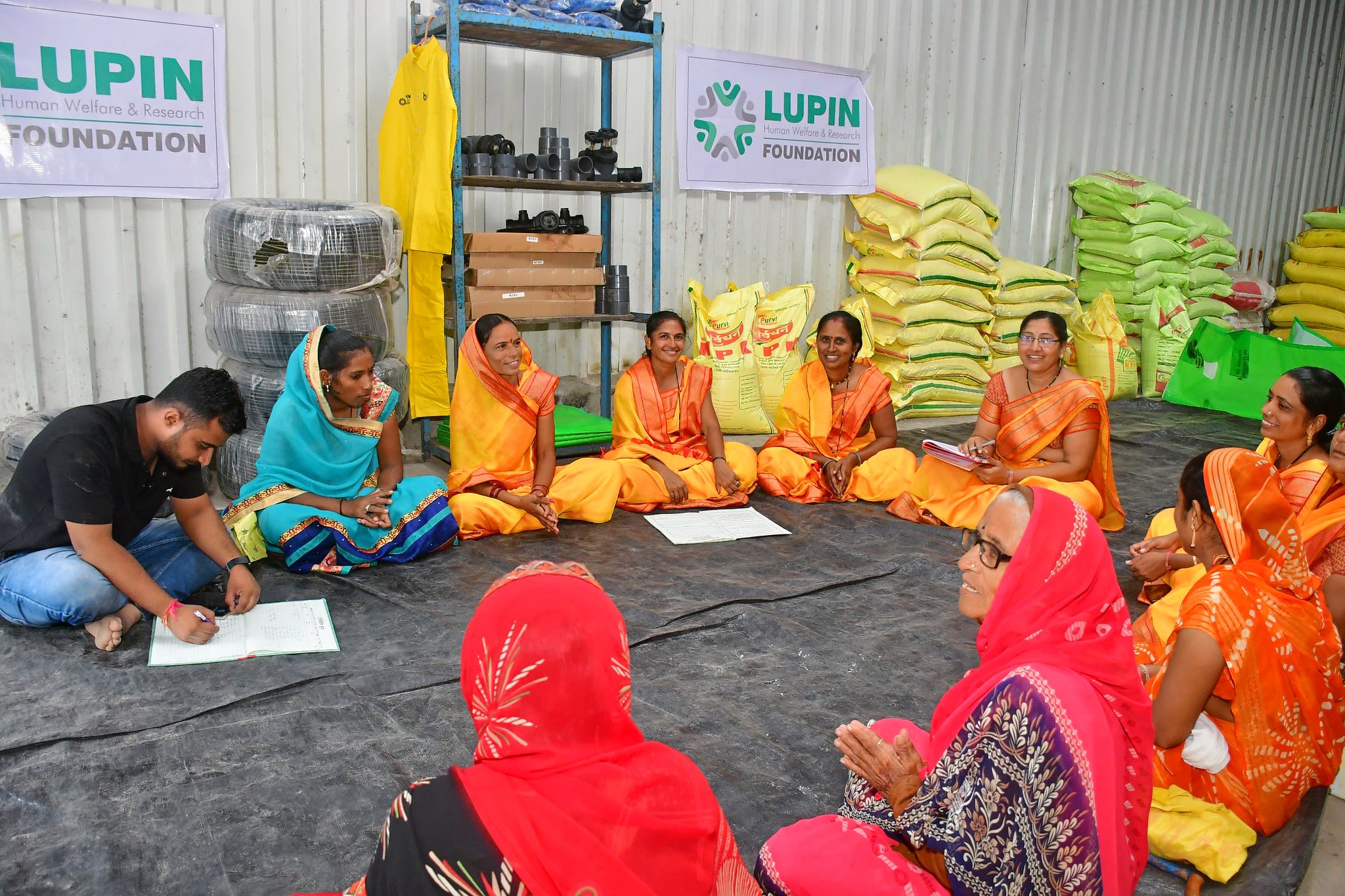
Reflecting on the FPC members, Bhadane shares that many of these women have also become more confident and outgoing. More of them now turn up for meetings and programmes and speak up compared to some years ago when Bhadane had to go door to door to convince them to participate. The group is also planning to set up a nursery to promote sustainable agriculture.

 Built with Shorthand